Are you considering adding creatine to your wellness routine but living with chronic kidney disease? You’re not alone. As our understanding of creatine’s benefits for healthy aging grows, many people with kidney concerns are wondering if this popular supplement could be right for them.
Creatine has made headlines recently for its impressive benefits in maintaining muscle strength, supporting brain health, and even helping with energy levels as we age. But when it comes to chronic kidney disease (CKD), the decision to supplement isn’t so straightforward.
Before you head to the supplement aisle, there’s some crucial information you need to know. While creatine might seem like a miracle supplement for healthy aging, those living with CKD face unique considerations that could make this popular supplement either helpful or potentially problematic. Today, we’re breaking down the complex relationship between creatine supplementation and kidney health, helping you make an informed decision alongside your healthcare team.
Think of your kidneys as your body’s sophisticated filtering system – they’re already working overtime when you have CKD. Adding any supplement to the mix requires careful consideration. But don’t worry – we’re here to help you understand the science behind creatine use in CKD, exploring both the potential benefits and important risks you need to consider.

What Is Creatine?
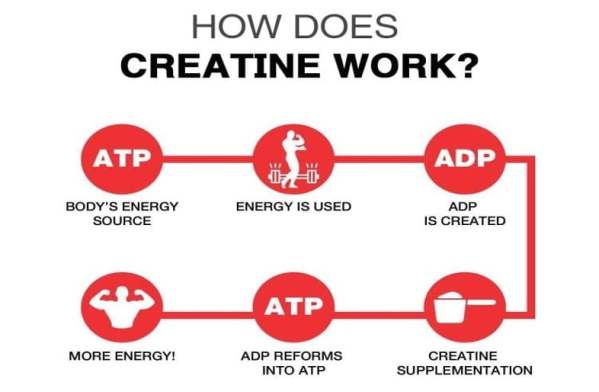
At its core, creatine is not just another supplement – it’s a naturally occurring compound your body already produces and uses daily. Found primarily in muscle cells, creatine is created from three amino acids (glycine, arginine, and methionine) and plays a crucial role in energy production at the cellular level. Think of it as your body’s quick-access energy savings account. When your cells need a rapid burst of energy, they tap into creatine phosphate to regenerate ATP (adenosine triphosphate), the molecular currency that powers everything from lifting a grocery bag to maintaining your heartbeat. While your body makes about one gram of creatine daily in the liver, kidneys, and pancreas, we also get creatine from dietary sources, particularly red meat and seafood. This is why vegetarians and vegans often have lower creatine levels. In supplement form, creatine monohydrate has become one of the most researched and well-documented supplements available, backed by decades of scientific studies examining its effects on muscle strength, cognitive function, and overall health. Understanding this fundamental role of creatine helps explain why it’s garnered so much attention in athletic performance and, more recently, healthy aging research.
Before we dive into whether or not you can use creatine if you have CKD, let’s have a look at what the latest research is saying about it.
Creatine is emerging as a particularly valuable supplement, offering benefits that extend far beyond its well-known effects on muscle strength. Let’s explore why this compound is gaining attention in women’s health research and for the aging population in general.
Creatine & The Aging Population
Brain Energy and Aging Our brains are energy-hungry organs, consuming about 20% of our body’s total energy despite making up only 2% of our body weight. Our brain’s ability to efficiently use energy can decline as we age. This is where creatine enters the picture – it helps create and maintain energy reserves in the form of phosphocreatine, which can be quickly converted to ATP when needed.
Recent Research Highlights
The Cognition Connection A 2023 review published in Nutrients examined multiple clinical trials and found that creatine supplementation may help maintain cognitive function in older adults, particularly in areas like short-term memory and processing speed. The research suggests that creatine might act as a neuroprotective agent, helping to preserve brain cells and their functions as we age.
Beyond Memory Studies conducted at the University of Sydney have shown that creatine supplementation may help maintain the brain’s white matter integrity – the neural highways that connect different brain regions. This white matter preservation could help maintain better cognitive function and reduce age-related decline.
Prevention Potential Emerging research indicates that starting creatine supplementation in middle age might offer the most benefit. Scientists theorise that building up creatine reserves before significant age-related decline begins could better protect brain cells and cognitive function.
https://pmc.ncbi.nlm.nih.gov/articles/PMC11275561/
Creatine & Post Menopausal Women
Bone Health Revolution
Recent studies have shown that postmenopausal women supplementing with creatine, especially when combined with resistance training, experience improved bone mineral density. This is crucial since the rapid decline in estrogen during menopause can lead to accelerated bone loss, increasing the risk of osteoporosis.
Muscle Mass Preservation
One of the most significant challenges postmenopausal women face is sarcopenia – the age-related loss of muscle mass. Research indicates that creatine can help:
- Enhance muscle strength and mass when combined with exercise
- Improve daily functional movements
- Reduce the risk of falls, a major concern for aging women
https://www.sciencedirect.com/science/article/pii/S1279770723019541
The metabolic changes that occur after menopause can make weight management more challenging. Creatine has shown promise in:
- Supporting lean muscle mass maintenance
- Potentially improving insulin sensitivity
- Helping maintain a healthy metabolism through enhanced energy production
https://pmc.ncbi.nlm.nih.gov/articles/PMC7739317/
Cognitive Protection
For postmenopausal women, cognitive health is a particular concern as estrogen levels decrease. Creatine offers multiple benefits:
- Supports brain energy metabolism
- May help maintain cognitive function and memory
- Could provide neuroprotective effects during aging
https://www.nature.com/articles/s41598-024-54249-9
The hormonal changes during menopause can impact various bodily functions. Creatine supplementation may help counteract some effects by:
- Supporting energy levels when hormonal fluctuations cause fatigue
- Helping maintain muscle strength despite lower estrogen levels
- Potentially supporting mood stability through improved brain energy metabolism
https://pmc.ncbi.nlm.nih.gov/articles/PMC7998865/
Inflammation and Aging
Research suggests that creatine may help manage the increased inflammation often associated with menopause by:
- Supporting cellular energy production
- Potentially reducing oxidative stress
- Helping maintain healthy tissue function
https://pubmed.ncbi.nlm.nih.gov/30978926/
How Does Creatine Work?
When you dive into the fascinating world of cellular energy, creatine emerges as a metabolic masterpiece. This powerhouse molecule works through an intricate dance of biochemical processes that support everything from your morning workout to your body’s daily functions. Let’s explore how this remarkable compound transforms into usable energy that powers your muscles and supports overall health.
At its most fundamental level, creatine is your body’s rapid-response energy system. Inside your muscles, creatine exists primarily in its phosphorylated form – phosphocreatine – acting like a fully charged battery ready to spring into action. During high-intensity activities, when your body needs energy fast, phosphocreatine steps up to replenish ATP (adenosine triphosphate), your cells’ primary energy currency.
But creatine’s influence extends far beyond just energy production. Think of it as a cellular multitasker, orchestrating several key processes that enhance your body’s performance and adaptation to exercise. When you supplement with creatine, your muscles become better equipped to handle intense workouts, allowing you to push harder and recover faster.
The magic happens at the cellular level, where creatine triggers a cascade of beneficial effects. It acts like a cellular magnet for water, drawing it into your muscle cells and creating an optimal environment for growth and repair. This increased cellular hydration isn’t just about size – it creates an anabolic environment that supports protein synthesis and muscle development.
Perhaps one of creatine’s most fascinating mechanisms involves its relationship with myostatin, a protein that typically puts the brakes on muscle growth. Research has shown that creatine supplementation helps reduce myostatin levels, essentially lifting these natural growth restrictions and allowing your muscles to reach their full potential.
Additionally, creatine plays a crucial role in muscle repair and regeneration through its influence on satellite cells – the body’s muscle stem cells. By enhancing satellite cell signalling, creatine helps orchestrate the repair and growth of muscle tissue, contributing to better recovery and adaptation after exercise.
Understanding these mechanisms helps explain why creatine has become such a valuable tool for athletes and anyone looking to maintain muscle health and function as they age. It’s not just about building bigger muscles – it’s about creating an optimal cellular environment that supports overall muscle health and function.
https://fitnessvolt.com/wp-content/uploads/2022/02/How-Does-Creatine-Work-750×573.jpg
Does Creatine Damage The Kidneys?
Let’s clear the air about one of the most persistent myths in sports nutrition: creatine and kidney health. Despite decades of research and hundreds of peer-reviewed studies, questions about creatine’s safety continue to circulate. So, let’s discuss what the science tells us about this widely studied supplement and its relationship with kidney function.
Your body naturally processes creatine through a fascinating biological pathway. In your muscles, creatine and phosphocreatine gradually break down into creatinine, which then travels through your bloodstream before being filtered out by your kidneys. This process explains why doctors use creatinine levels as one way to assess kidney function – eGFR.
When you supplement with creatine, you might see higher creatinine levels in both blood and urine tests. This increase has led to a persistent but unfounded concern that elevated creatinine might overwork the kidneys.
The fear that creatine supplementation damages kidneys stems largely from misunderstandings in a few isolated cases.
Let’s look at a pivotal 1988 case study that helped fuel this misconception. It involved a young man with pre-existing kidney disease who took creatine (15 grams daily for a week, followed by 2 grams daily for seven weeks). While his creatinine levels increased, it’s crucial to note that this maintenance dose was comparable to eating a large steak daily – hardly a cause for alarm in healthy individuals.
Subsequent research has consistently shown that when recommended, creatine supplementation doesn’t harm kidney function in healthy individuals. The handful of case studies suggesting kidney problems typically involved complications like:
- Pre-existing kidney conditions
- Use of multiple medications
- Extremely high doses of creatine (sometimes 100 times the recommended amount)
- Concurrent use of other supplements or steroids
When used as recommended – typically 3-5 grams daily or 0.1 grams per kilogram of body weight – creatine has shown a remarkable safety profile. With over 500 peer-reviewed publications examining its effects, the scientific consensus paints a reassuring picture of creatine’s safety when used appropriately.
Is Creatine Deficiency a Hidden Problem in Kidney Disease? The Latest Research
As we dive deeper into the complex relationship between creatine and kidney disease, emerging research has unveiled an intriguing paradox: while those with chronic kidney disease (CKD) are often advised against creatine supplementation, they might be the ones who need it most.
A groundbreaking 2019 literature review revealed something unexpected – people with chronic kidney disease, especially those on dialysis, may be creatine-deficient. As kidney function declines, particularly in stages 3, 4, and 5 of CKD, the body’s ability to produce creatine naturally becomes compromised. For dialysis patients, the situation is even more challenging, as they face both reduced creatine production and continuous losses during treatment.
This lack of creatine isn’t just a minor nutritional gap. Research suggests it could contribute to several serious issues common in kidney disease patients:
- Muscle wasting (sarcopenia)
- Chronic fatigue
- Decreased quality of life
- Cognitive decline
- Potentially shortened lifespan
When creatine supplements are involved, traditional kidney function tests using creatinine levels can be misleading. Enter cystatin C – a more reliable marker for kidney function that isn’t affected by creatine supplementation. This protein provides a clearer picture of kidney health, detecting problems earlier than traditional creatinine tests.
A 2024 study involving nearly 5,000 individuals brought some encouraging news: food-derived creatine appears not only safe for kidney patients but might actually help protect kidney function. This challenges long-held beliefs about creatine’s effects on kidney health.
How the use of creatine supplements can elevate serum creatinine in the absence of underlying kidney pathology – PMC

Creatine is a Conditionally Essential Nutrient in Chronic Kidney Disease: A Hypothesis and Narrative Literature Review – PMC
Can I supplement with Creatine if I have CKD?
The Clear Answer Readers Need Despite these promising findings, here’s what you need to know if you have kidney disease and are considering creatine supplementation:
Current Medical Consensus
At this time, there isn’t enough research to definitively recommend creatine supplementation for people with chronic kidney disease. While the potential benefits are intriguing, safety data remains limited.
What This Means For You:
- If you have kidney disease, do NOT start creatine supplementation without explicit approval from your nephrologist
- Work with your healthcare team to monitor your kidney function using both traditional tests and newer markers like cystatin C
- Focus on medically approved strategies for managing your condition
- Stay informed about ongoing research in this area
The Bottom Line
While emerging research suggests creatine might benefit those with kidney disease, we’re not yet at a point where it can be broadly recommended. The safest approach is to consider creatine supplementation only under close medical supervision, with regular monitoring using appropriate kidney function tests.
For now, the answer must be conservative. Unless specifically approved by your kidney specialist, those with chronic kidney disease should avoid creatine supplementation until more research confirms its safety and optimal dosing for this population. Your kidney health is too important to experiment with, even when the potential benefits seem promising.
This field of research is rapidly evolving, and future studies may change these recommendations. Always stay in close communication with your healthcare team about any supplements you’re considering, and keep informed about the latest research developments in this area.

 By Fiona Chin N.D.