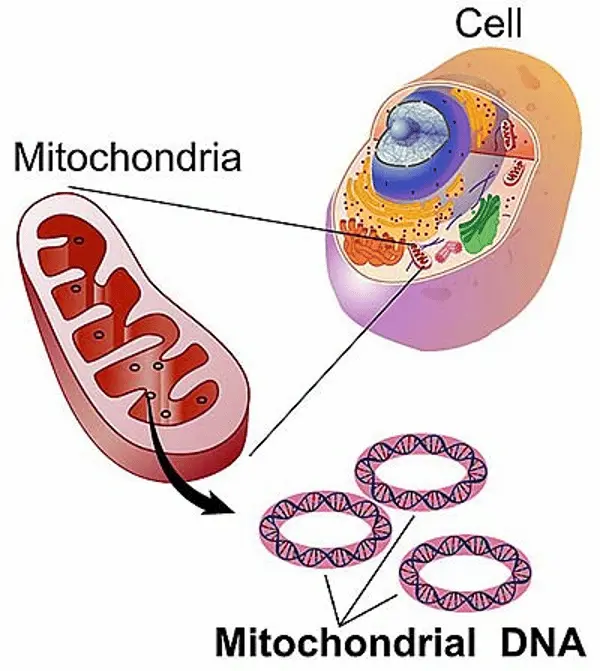
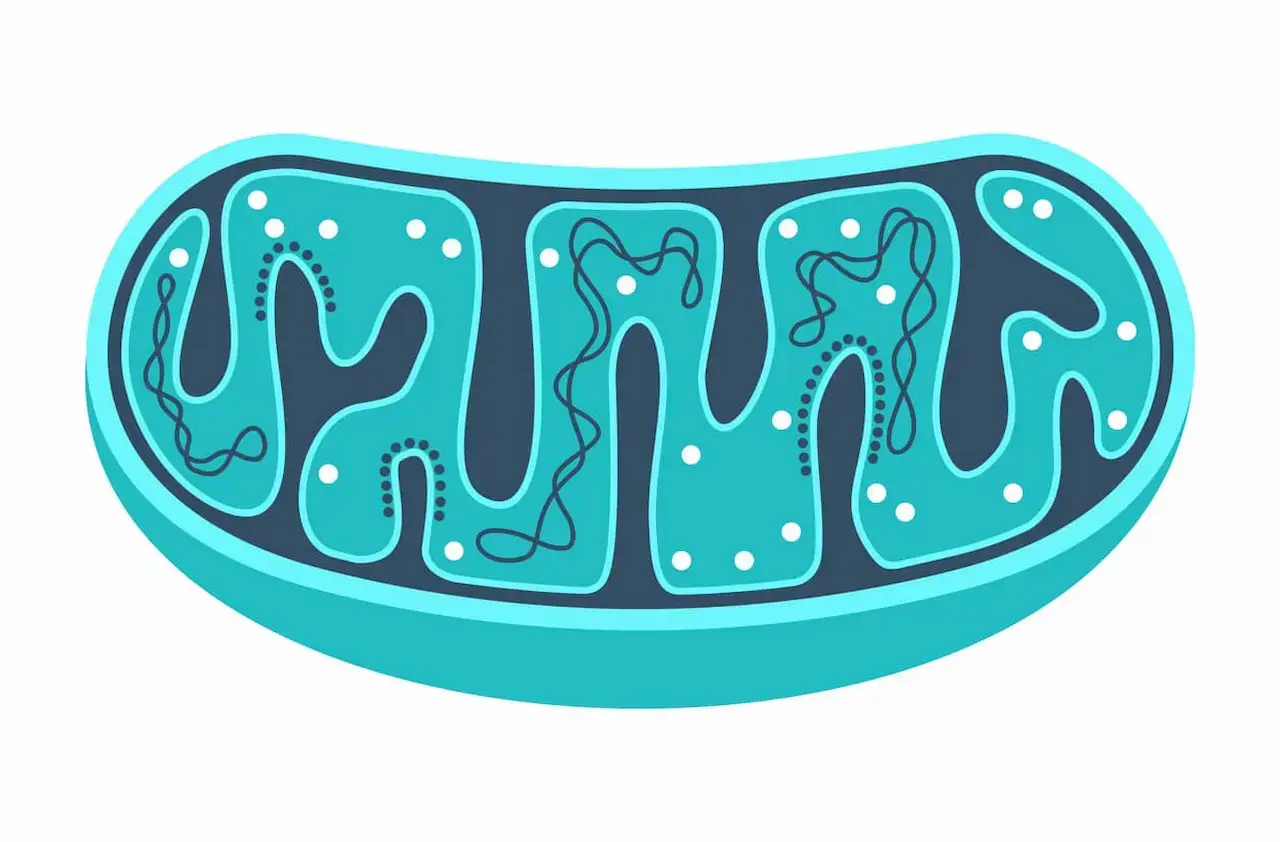
Today, I’m going to take you through the role mitochondria play in the process of chronic disease. Mitochondria are best known for their participation in cellular respiration via oxidative phosphorylation. This reaction produces ATP (adenosine triphosphate), a form of cellular energy. Mitochondria participate in important metabolic pathways and regulate various important cellular functions. Due to the actions mitochondria have within the body, where there is mitochondrial dysregulation or malfunction, it’s no wonder we see our health impacted. I’ll begin by explaining mitochondrial function to give you a better understanding of its importance.
Mitochondria are also known as the ‘powerhouse’ of the cell. These double-membrane organelles are found in plant and animal cells. Mitochondria are contained within the cytoplasm of a cell and they help turn the energy we obtain from food into a form of energy that cells can utilise. It provides our body with the fuel it requires to complete our activities throughout the day.
Through a series of reactions, mitochondria produce ATP, which is found in all forms of life. The majority of ATP is generated by mitochondria via cellular respiration and is essential for our survival. It is through a series of reactions generated through the Krebs cycle and the citric acid cycle in this energy is formed. Cellular respiration is the conversion of glucose and oxygen to ATP, water and carbon dioxide. The chemical energy produced by the mitochondria is stored as ATP, the energy currency of the cell.
The most important role of the mitochondria is energy production; however, it has many other functions.
Cellular respiration. Mitochondria are involved in the breakdown of sugar and fats through a series of steps into energy via aerobic respiration (cellular respiration). Through this metabolic process, ATP is formed, the energy source used by the cell.
Controls the fate of cells. If something goes wrong within a cell, two different scenarios can occur: one is necrosis. This is where a cell explodes, which can lead to inflammation and put a load on our immune system. The second scenario is apoptosis, which is the death of a cell. It is part of a cell’s normal health and development. Apoptosis is also termed programmed cell death. The start of apoptosis is initiated by factors that the mitochondria generate.
Mitochondria store calcium. Calcium is regulated tightly in the cell; the mitochondria will quickly absorb calcium ions and will store them until required. Calcium is vital for cellular processes; it acts like a cellular messenger by activating or shutting these various processes down.
Contributes to inherited traits. Mitochondria have their DNA (mtDNA). Half a child’s DNA comes from their mother, the other half from the father. When the embryo is formed, a child always receives the mtDNA from the mother; therefore, everything our mitochondria can or can’t do is determined by the mitochondria our mothers have provided.
Heat production. Mitochondria can generate heat via a process called non-shivering thermogenesis. This is where the body can generate heat by using brown fat, and is achieved by the uncoupling of mitochondrial respiration.
Mitochondria play a role in the synthesis of cholesterol and help build heme, a part of the protein haemoglobin that carries oxygen.
Top 6 Mitochondria Functions & Roles | Biology Explorer (bioexplorer.net)
Mitochondria play so many important roles within the body, influencing our physiology as they regulate the communication between our cells and tissues. Health suffers if there is mitochondrial dysfunction or dysregulation. Mitochondrial dysfunction has been found to play a key role in chronic diseases such as the neurodegenerative diseases, Alzheimer’s Disease, Parkinson’s Disease and Huntington’s Disease, metabolic disorders, acute and chronic kidney disease, cardiomyopathy, cancer and obesity. This is just to name a. Mitochondrial disease manifestation is tissue-specific. For example, in adults, defects in respiratory complex 1 may lead to atrophy of the optic nerve; therefore, it depends on the site or organ where symptoms of the disease are expressed, while implicated by mitochondrial dysfunction.
Mitochondrial disease can affect any organ, can be found at birth or can occur at any age. At this present point in time, studies have found there is no cure for mitochondrial disorders; therefore, management is the main priority. It has been found that 1 in 5,000 people display a genetic mitochondrial disease. Mitochondrial diseases are chronic in nature, and symptoms can present as mild to severe and symptoms of the disease depending on which cells have been impacted.
Symptoms may include:
Poor growth
Hearing and vision problems
Learning issues and developmental delays
Gastrointestinal problems such as diarrhoea and vomiting, constipation, and difficulties with swallowing
Autism
Diabetes
Dementia
Thyroid issues
Respiratory issues
Lactic acidosis
Heart, liver and kidney disease
Neurological issues such as migraines, seizures and strokes
As stated, the treatment of mitochondrial disease is in its early days. Symptom-based treatment is used with a focus on maintaining optimal health and well-being. Preventative measures are used to reduce symptoms associated with psychological stress and infection with the avoidance of mitochondrial toxins. Thankfully, natural medicine does provide us with tools to support organ systems and address overall health. Scientific support for the use of vitamin-based and cofactor-based mitochondrial therapies is finally beginning to gather.
Evidence supports the use of antioxidants; these nutrients help reduce reactive oxygen species produced in increased amounts in this health condition.
Progress in this treatment area has been slow due to several factors:
Mitochondria have been linked to disease since the 1960s; however, most of the knowledge has accumulated over the past 20 years.
As they are characterised as rare disorders, funding for research has been limited.
As most of the treatments are classified as medical food, the financial incentive for studies is minimal.
It’s difficult to organise a standardised group of individuals to study due to the changing diagnostic criteria.
Diet and Lifestyle
I’m sure you are already aware that diet and lifestyle are always going to be addressed in chronic health conditions and there’s no exception here. A thorough evaluation of a patient’s diet and possible nutritional deficiencies is required. Those experiencing mitochondrial disease may have altered caloric requirements. Authors have found that supporting the quality of calories has been shown to enhance mitochondrial health.
A variety of environmental toxins and medications can impair mitochondrial function, and the mechanisms of action vary with the individual drug. Although this is not a comprehensive list, some of these drugs include:
Valproic acid
Antiretrovirals
Statins
Aspirin
Metformin
Steroids
Beta-blockers
Studies have shown that exercise improves mitochondrial health. When used appropriately and under supervision, it has been found that exercise will help improve symptoms of fatigue, improve physical function and will help to reduce the risk of comorbidities. Overall, the role of exercise is used to achieve a better quality of life and assist in the areas where function has been impacted. Walking, dancing, swimming, resistance training, and yoga are just some options you may want to look at. Please remember this needs to be under supervision and talked through with a health professional.
Co Q10: CoQ10 plays an integral role within the electron transport chain, it’s found in all cell and organelle membranes, it’s important for intracellular signalling and has antioxidant and prooxidant actions within the body. CoQ10 deficiencies have been found in some mitochondrial diseases. This is where CoQ10 supplementation should be considered. Research on CoQ10 has shown it is useful in conditions such as heart conditions, diabetes, Parkinson’s Disease, Statin Induced Myopathy, and migraines and helps improve physical performance. CoQ10 is also a key nutrient for anyone diagnosed with Chronic Kidney or Renal Disease.
Thiamine (B1): Thiamine plays a role in the citric acid cycle; it increases the rate of catabolism of pyruvate to acetyl-COA, starting the cycle.
Riboflavin (B2): Riboflavin is a water-soluble B vitamin; it plays a role in key enzymatic reactions that involve fatty acid oxidation and within the Krebs cycle. It has been found that riboflavin supplementation can lead to an improvement in symptoms and may slow the progression of mitochondrial disease.
Folinic acid: Folinic acid is the reduced form of folic acid, otherwise known as folate (B9). Another water-soluble B vitamin. It has been suggested in a few case reports that mitochondrial disease may lead to secondary cerebral folate deficiency. Although more research is required in this area, it has been suggested that this is due to the failure to produce enough ATP for the active transport of folate across the blood-brain barrier.
A Modern Approach to the Treatment of Mitochondrial Disease – PMC (nih.gov)
Alpha lipoic acid: Alpha lipoic acid, classified as an antioxidant, plays a valuable role in fighting the effects of free radical damage. In one randomized double-blind clinical trial, a combination of lipoic acid, CoQ10 and creatine monohydrate was used. It was found that this combination reduced lactate and oxidative stress markers in those with mitochondrial cytopathies. Alpha lipoic acid is another foundational nutrient in the treatment and prevention of Chronic Kidney and Renal Diseases.
L Carnitine: Carnitine has the ability to improve ATP production by supporting the importation of certain fuel molecules into the mitochondria. Carnitine also assists by cleaning up some of the toxic by-products of ATP production.
Creatine: Creatine usually acts as a reserve for ATP. When cells’ demand for ATP is too much for the mitochondria to keep up with, creatine can release phosphate (the P in ATP), which will, in turn, rapidly increase ATP production.
A Modern Approach to the Treatment of Mitochondrial Disease – PMC (nih.gov)
Hopefully, the information I have provided highlights the importance of nutrients and lifestyle factors in supporting those with mitochondrial disease. We can see how important it is to support mitochondrial health. Although more research needs to be done in this area of health, hopefully, we will see more emerging information. Studies support the use of nutrients to help patients with their energy requirements, nutritional needs and nutritional deficiencies. Overall, the aim is to support organ and system health.
In our next article, we will specifically look at the role Mitochondria play in Chronic Kidney and Renal Diseases, so stay tuned for that.
If you enjoyed this article, please feel free to share it with friends and family or head over to our Facebook Page and leave us a comment.
Vasopressin is a hormone that plays a central role in how your body manages fluid balance, but its effects go far beyond simply keeping you hydrated. Growing research reveals that vasopressin is closely linked to kidney function, the progression of chronic kidney disease (CKD), and broader metabolic health. While many people have heard of vasopressin…
Polycystic kidney disease (PKD) is widely understood as a progressive genetic disorder characterised by the relentless formation and expansion of fluid-filled cysts within the kidneys. Over time, these cysts multiply and enlarge, gradually displacing healthy renal tissue and driving progressive loss of kidney function. PKD can also affect the liver and pancreas, and is associated…
Autoimmune diseases are a group of conditions in which the immune system mistakenly attacks the body’s own tissues. When exploring the connection between autoimmune disease, gut health, and chronic kidney disease (CKD), several key autoimmune conditions are particularly relevant. These include Systemic Lupus Erythematosus, IgA Nephropathy, ANCA-Associated Vasculitis (AAV), Anti-Glomerular Basement Membrane Disease, Sjögren’s Syndrome,…

 By Libby Shaw