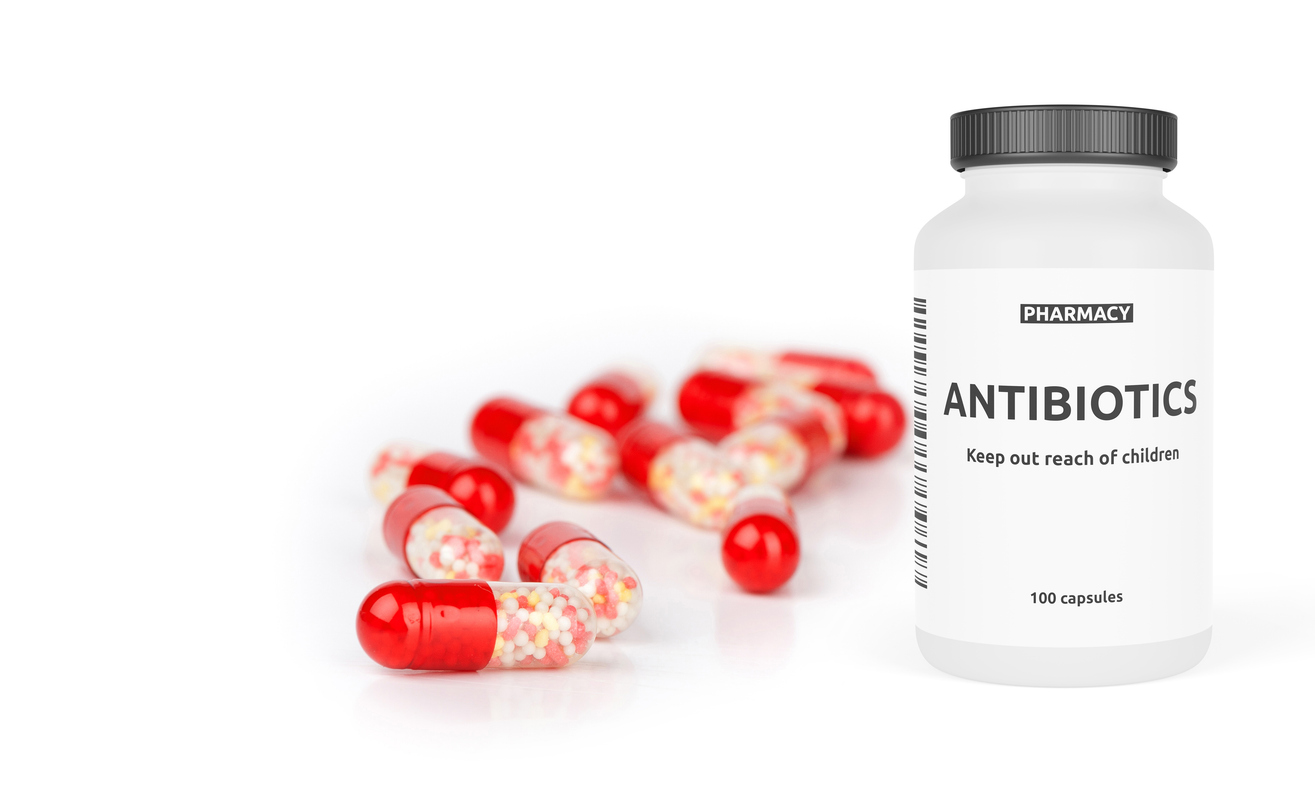
Protect your kidneys while fighting infections – learn the essential strategies every CKD patient needs to know about antibiotic safety.
Why Antibiotics Can Be Dangerous for Kidney Patients
Antibiotics have revolutionized modern medicine, transforming previously fatal bacterial infections into treatable conditions. However, for the millions of Americans living with chronic kidney disease (CKD), these life-saving medications present a complex challenge. While antibiotics are essential for fighting infections, they can simultaneously pose significant risks to already compromised kidney function.
The relationship between antibiotics and kidney health is particularly critical because kidney disease affects over 37 million Americans, with many unaware of their condition. When these patients require antibiotic treatment, the delicate balance between fighting infection and preserving kidney function becomes a medical tightrope walk that requires expert navigation.
The Sobering Statistics About Antibiotics and Kidneys
25% of the heart’s blood output flows through kidneys every minute, exposing them to concentrated antibiotic doses
Kidney patients face 3x higher risk of antibiotic-related complications compared to healthy individuals
Proper dosing adjustments can reduce kidney damage by up to 70%, yet many patients don’t receive appropriate modifications
1 in 5 cases of acute kidney injury in hospitalized patients is linked to medication toxicity, with antibiotics being major contributors
Understanding How Antibiotics Work: The Foundation of Safe Use
Before diving into kidney protection strategies, it’s crucial to understand how antibiotics function. This knowledge empowers patients to have informed discussions with their healthcare providers about the safest treatment options.
The Five Primary Mechanisms of Antibiotic Action
1. Targeting Bacterial Cell Walls
The most common and effective approach involves attacking the bacterial cell wall, which is like the protective armor surrounding each bacterium. Penicillins, cephalosporins, and carbapenems work by blocking the enzymes that build and maintain this wall. Without a intact cell wall, bacteria become vulnerable to osmotic pressure and essentially burst like overinflated balloons.
This mechanism is particularly effective because human cells don’t have cell walls, making these antibiotics relatively selective in their targeting. However, the high concentrations needed to penetrate biofilms can still stress kidney tissue during the filtration process.
2. Disrupting Cell Membrane Function
Some antibiotics target the bacterial cell membrane, which acts as a sophisticated barrier controlling what enters and exits the cell. When this membrane is compromised, bacteria lose their ability to maintain proper internal conditions, leading to rapid cell death. While less commonly used due to potential toxicity, antibiotics like polymyxin B utilize this mechanism effectively against resistant gram-negative bacteria.
3. Interfering with Protein Production
Bacteria rely on ribosomes, tiny molecular machines, to produce essential proteins for survival and reproduction. Tetracyclines, macrolides (like azithromycin), and aminoglycosides attach to bacterial ribosomes and jam their function. The beauty of this approach lies in the structural differences between bacterial and human ribosomes, allowing selective targeting.
However, aminoglycosides, while highly effective, pose significant kidney risks due to their tendency to accumulate in renal tubular cells and cause oxidative damage.
For bacteria to multiply, they must replicate their genetic material. Fluoroquinolones (like ciprofloxacin) and rifamycins interfere with DNA unwinding and RNA transcription processes. These antibiotics bind to enzymes essential for genetic replication, effectively preventing bacterial reproduction.
While potent against many bacteria, fluoroquinolones can cause kidney toxicity through direct tubular damage and crystal formation in urine, particularly concerning for CKD patients.
5. Disrupting Essential Metabolic Pathways
Some antibiotics target specific bacterial metabolic pathways that are absent in human cells. Sulfonamides and trimethoprim interfere with folic acid synthesis, which bacteria need to produce DNA and RNA. Since humans obtain folic acid from dietary sources rather than synthesizing it, this approach selectively targets bacterial cells.
Why Kidneys Are Uniquely Vulnerable to Antibiotic Damage
The Incredible Workload of Healthy Kidneys
Your kidneys are remarkable organs that process an astounding 1,700 liters of blood daily – equivalent to filtering your entire blood volume 60 times per day. This extraordinary workload means kidneys are exposed to higher concentrations of medications than virtually any other organ in the body.
The renal blood flow represents approximately 20-25% of cardiac output, translating to roughly 1.2 liters per minute. This massive blood flow serves the kidneys’ primary functions: filtering waste, balancing electrolytes, regulating blood pressure, and producing hormones. However, this same characteristic that makes kidneys so effective at their job also makes them vulnerable to circulating toxins, including certain antibiotics.
The Concentration Effect in Kidney Tubules
After blood filtration occurs in the glomeruli, the filtered fluid travels through a complex network of tubules where water and essential substances are reabsorbed. During this process, many antibiotics become concentrated as water is removed, sometimes reaching levels 10-100 times higher than blood concentrations.
This concentration effect is particularly problematic in the distal tubules and collecting ducts, where the final urine concentration occurs. Tubular cells are metabolically active and require significant energy to perform their reabsorption functions. When exposed to high antibiotic concentrations, these cells can experience:
Mitochondrial dysfunction leading to energy depletion
Oxidative stress from increased reactive oxygen species production
Direct toxic effects on cellular membranes and organelles
Inflammatory responses that can progress to interstitial nephritis
High-Risk Antibiotics: Know Your Enemy
Understanding which antibiotics pose the greatest kidney risks empowers patients to advocate for safer alternatives when possible.
Aminoglycosides (Gentamicin, Tobramycin, Amikacin): These antibiotics are notorious for their kidney toxicity, causing damage in up to 15-20% of patients receiving treatment. They accumulate in proximal tubular cells, causing direct cellular damage and triggering inflammatory cascades. The damage is often dose-dependent and can be irreversible.
Amphotericin B: This antifungal medication causes kidney toxicity in up to 80% of patients receiving conventional formulations. It directly damages tubular cell membranes and causes severe electrolyte disturbances, particularly potassium and magnesium wasting.
Fluoroquinolones: While generally considered safer than aminoglycosides, these antibiotics can cause acute kidney injury through crystal formation in acidic urine and direct tubular toxicity. The risk increases significantly in dehydrated patients or those with pre-existing kidney disease.
Vancomycin: This antibiotic can cause acute tubular necrosis, particularly when blood levels exceed therapeutic ranges. The nephrotoxicity risk increases dramatically when combined with other kidney-toxic medications or in patients with underlying kidney disease.
The Vicious Kidney-Antibiotic Cycle: Breaking the Pattern
One of the most concerning aspects of antibiotic-induced kidney damage is the self-perpetuating cycle it can create. When antibiotics damage kidney function, the kidneys become less efficient at clearing these same medications from the body. This leads to:
Accumulation of antibiotics to toxic levels
Further kidney damage from prolonged exposure
Decreased clearance capacity making the problem worse
Need for more aggressive treatments due to treatment failures
Increased infection risk from compromised immunity
Breaking this cycle requires proactive intervention, careful monitoring, and often dose modifications that many healthcare providers may not automatically implement.
The Hidden Threat: Bacterial Biofilms and Treatment Resistance
Understanding Biofilm Formation
Bacterial biofilms represent one of the most challenging aspects of modern infection treatment. These are complex, multicellular communities of bacteria that adhere to surfaces and encase themselves in a protective matrix of extracellular polymeric substances (EPS). Think of biofilms as bacterial cities with sophisticated infrastructure designed to protect inhabitants from external threats, including antibiotics.
Common Biofilm Locations:
Medical devices (catheters, prosthetic joints, heart valves)
Physical Barrier Protection: The EPS matrix acts as a molecular sieve, preventing many antibiotics from penetrating to bacteria in deeper biofilm layers. Larger antibiotic molecules may be completely excluded, while smaller ones are delayed or neutralized before reaching their targets.
Metabolic Dormancy: Bacteria within biofilms often enter slow-growing or dormant states, making them less susceptible to antibiotics that target actively dividing cells. These “persister cells” can survive treatment and later repopulate the biofilm.
Enhanced Resistance Gene Transfer: The close proximity of bacterial cells within biofilms facilitates horizontal gene transfer, allowing rapid spread of antibiotic resistance genes between different bacterial species.
Treatment Implications for CKD Patients: Biofilm-associated infections often require prolonged antibiotic courses with higher doses, significantly increasing the total kidney exposure to potentially nephrotoxic medications. This extended exposure period dramatically elevates the risk of cumulative kidney damage.
Critical Nutrient Deficiencies That Amplify Antibiotic Kidney Damage
Magnesium: The Cellular Protector
Magnesium plays crucial roles in over 300 enzymatic reactions and is essential for cellular energy production, membrane stability, and antioxidant defense. In the context of antibiotic nephrotoxicity, magnesium deficiency creates a perfect storm for kidney damage.
Supports mitochondrial function and energy production
Acts as a cofactor for antioxidant enzymes
The Antibiotic Connection: Aminoglycosides directly interfere with magnesium reabsorption in the distal convoluted tubules, creating a vicious cycle where the antibiotics cause magnesium loss, which in turn makes kidney cells more vulnerable to damage from the same antibiotics.
Research shows that patients with low magnesium levels have significantly higher rates of aminoglycoside nephrotoxicity, with some studies showing up to a 3-fold increase in kidney injury risk.
Potassium: Essential for Cellular Function
Potassium is crucial for maintaining cellular electrical activity, acid-base balance, and proper kidney tubular function. Hypokalemia (low potassium) has been identified as an independent risk factor for drug-induced acute kidney injury.
Why Low Potassium Increases Risk:
Impairs cellular energy metabolism in tubular cells
Disrupts normal acid-base handling, leading to cellular stress
Increases susceptibility to oxidative damage
Compromises the kidney’s ability to concentrate urine properly
Clinical Evidence: Studies have shown that patients with serum potassium levels below 3.5 mEq/L have significantly higher rates of nephrotoxicity when exposed to drugs like amphotericin B and aminoglycosides.
Zinc: The Antioxidant Cofactor
Zinc serves as a cofactor for numerous antioxidant enzymes, including superoxide dismutase, which is crucial for neutralizing harmful reactive oxygen species. Zinc deficiency impairs the kidney’s natural defense mechanisms against oxidative stress.
Protective Roles:
Cofactor for antioxidant enzyme systems
Supports cellular repair mechanisms
Maintains immune function to prevent secondary infections
Stabilizes cellular membranes
Research Findings: Animal studies have demonstrated that zinc supplementation can significantly reduce gentamicin-induced kidney damage by enhancing antioxidant defenses and reducing inflammatory responses.
Comprehensive Kidney Protection Strategies During Antibiotic Treatment
1. Demanding Proper Dose Adjustments: Your Right as a Patient
Understanding eGFR and Creatinine Clearance: Your estimated glomerular filtration rate (eGFR) is the gold standard for assessing kidney function. Normal eGFR is above 90 mL/min/1.73m², and significant dose adjustments are typically needed when eGFR falls below 60.
Patient Advocacy Points:
Always ask: “Has this antibiotic dose been adjusted for my kidney function?”
Request to see the calculation if you have CKD
Ask about alternative antibiotics with less kidney toxicity
Ensure your most recent kidney function tests are being used
Dose Adjustment Examples:
Gentamicin: Reduce dose by 50% when eGFR 30-50 mL/min
Vancomycin: Extend dosing intervals based on kidney function
Fluoroquinolones: May require dose reduction of 25-50% in moderate CKD
2. The Critical Importance of Therapeutic Drug Monitoring
For antibiotics with narrow therapeutic windows, monitoring blood levels is essential to ensure effectiveness while preventing toxicity.
Antibiotics Requiring Monitoring:
Vancomycin: Target trough levels 15-20 mg/L for serious infections
Aminoglycosides: Peak and trough levels to optimize efficacy and minimize toxicity
Digoxin: When used with antibiotics that affect its clearance
Monitoring Schedule:
Baseline levels before starting treatment
Steady-state levels after 3-5 doses
Regular monitoring throughout treatment course
Immediate level checks if kidney function changes
3. Optimizing Hydration: The Balancing Act
Proper hydration helps dilute antibiotic concentrations in kidney tubules and maintains adequate blood flow to the kidneys. However, CKD patients often have fluid restrictions that complicate this strategy.
Hydration Strategies:
Work with your healthcare team to determine optimal fluid intake
Monitor daily weights to avoid fluid overload
Consider timing fluid intake around antibiotic doses
Be aware of signs of fluid retention (swelling, shortness of breath)
Check baseline magnesium, potassium, and zinc levels
Address deficiencies before starting antibiotics
Continue monitoring throughout treatment
Supplementation Guidelines:
Magnesium: 200-400mg daily (adjust based on kidney function)
Potassium: Work with healthcare provider due to CKD considerations
Zinc: 15-30mg daily with food to prevent stomach upset
6. Evidence-Based Kidney Protection with Antioxidants
N-Acetylcysteine (NAC): The Gold Standard NAC is the most well-studied kidney protective agent, with strong evidence for preventing contrast-induced nephropathy and emerging evidence for antibiotic protection.
Mechanism of Action:
Directly scavenges reactive oxygen species
Boosts glutathione production for cellular protection
Improves blood flow to kidney tissue
Reduces inflammatory responses
Clinical Evidence: Studies have shown NAC can prevent vancomycin-induced nephrotoxicity and reduce the severity of aminoglycoside kidney damage.
Dosing Protocols:
Standard prevention: 600mg twice daily
High-risk patients: 1200mg twice daily
Continue for duration of antibiotic treatment plus 2-3 days
7. Treatment Duration Optimization
The Principle of Shortest Effective Course: Every additional day of antibiotic treatment increases cumulative kidney exposure and toxicity risk.
Strategies for Minimization:
Request culture-directed therapy when possible
Ask about oral step-down therapy for IV antibiotics
Consider procalcitonin-guided duration in appropriate cases
Assessment of recovery and need for ongoing monitoring
Early Warning Signs: When to Seek Immediate Care
Kidney Function Decline Indicators:
Decreased urine output (oliguria)
Swelling in legs, ankles, or face
Unexplained fatigue or weakness
Nausea, vomiting, or loss of appetite
Changes in urine color or foaming
Confusion or difficulty concentrating
Emergency Situations:
No urine output for 12+ hours
Severe swelling with difficulty breathing
Chest pain or irregular heartbeat
Severe confusion or altered mental status
CKD-Safe Antibiotic Alternatives and Selection Strategies
Lower-Risk Antibiotics for CKD Patients
Preferred Options When Appropriate:
Azithromycin: Minimal kidney clearance, but requires dose adjustment in severe CKD
Doxycycline: Primarily hepatic elimination, safer for kidney patients
Ceftriaxone: Dual hepatic and renal elimination provides safety margin
Moxifloxacin: Less kidney-dependent than other fluoroquinolones
Critical Questions for Your Healthcare Provider
“Is this the safest effective antibiotic for my kidney function level?”
“Has the dose been specifically adjusted for my eGFR?”
“What monitoring will be done during my treatment?”
“Are there oral alternatives to avoid IV administration?”
“What signs should I watch for that might indicate kidney problems?”
“When will my kidney function be rechecked after treatment?”
The KidneyCoach Advantage: Expert Guidance for Complex Cases
At KidneyCoach, we understand that managing infections in CKD patients requires specialized expertise that goes beyond standard medical care. Our comprehensive approach includes:
Personalized Risk Assessment:
Detailed analysis of your kidney function trends
Evaluation of concurrent medications and supplements
Assessment of nutritional status and optimization needs
Development of individualized monitoring protocols
Treatment Optimization:
Collaboration with your healthcare team for safest antibiotic selection
Nutritional intervention strategies to minimize toxicity risk
Evidence-based protective protocols using supplements like NAC
Long-term kidney health preservation strategies
Ongoing Support:
Regular monitoring of kidney function trends
Early detection of declining function
Adjustment of protective strategies based on response
Education and empowerment for self-advocacy
Your Complete Kidney Protection Action Plan
Before Starting Any Antibiotic:
Confirm your current eGFR and ensure proper dose adjustment
Review all current medications for potential interactions
Check and optimize magnesium, potassium, and zinc levels
Discuss kidney-protective strategies like NAC supplementation
Establish monitoring schedule with your healthcare team
During Antibiotic Treatment:
Maintain optimal hydration within your fluid restrictions
Take prescribed supplements consistently
Monitor daily weights and watch for swelling
Keep all scheduled lab appointments
Report any concerning symptoms immediately
After Antibiotic Treatment:
Complete follow-up kidney function testing
Continue protective supplements for 2-3 additional days
Monitor for delayed kidney function changes
Document the experience for future reference
Discuss long-term kidney health strategies with KidneyCoach
Conclusion: Taking Control of Your Kidney Health
Managing infections while protecting kidney function requires a proactive, informed approach that many healthcare systems aren’t equipped to provide. By understanding the risks, demanding appropriate precautions, and working with specialists who focus specifically on kidney health, CKD patients can successfully navigate antibiotic treatment while preserving their remaining kidney function.
The strategies outlined in this guide represent the current best practices for kidney protection during antibiotic therapy. However, each patient’s situation is unique, and personalized guidance from kidney health experts can make the difference between treatment success and irreversible kidney damage.
This comprehensive guide is for educational purposes and should complement, not replace, professional medical advice. Always consult with your healthcare provider before making changes to your treatment plan.
Introduction If you’ve been diagnosed with chronic kidney disease (CKD), you’ve likely heard about creatinine, eGFR, and potassium levels. But there’s a crucial enzyme that most doctors and even medical textbooks still aren’t discussing: renalase. Discovered only in 2005, this remarkable protein plays a central role in kidney health, blood pressure regulation, and the body’s…
Oxytocin is often called the ‘love hormone’ because of its well-known role in childbirth, breastfeeding, and emotional bonding. But emerging research reveals this remarkable hormone does far more than foster maternal connection. Scientists are now discovering that oxytocin plays a crucial role in kidney function and may offer significant protective benefits for people with chronic…
Discover the fundamental role electrons play in your health and learn science-backed strategies to optimize your body’s electrical balance for disease prevention and kidney protection. Why Electrons Are the Missing Link in Your Health Journey Most people think about health in terms of diet, exercise, and medications, but there’s a fundamental layer that’s often overlooked:…

 By Libby Shaw