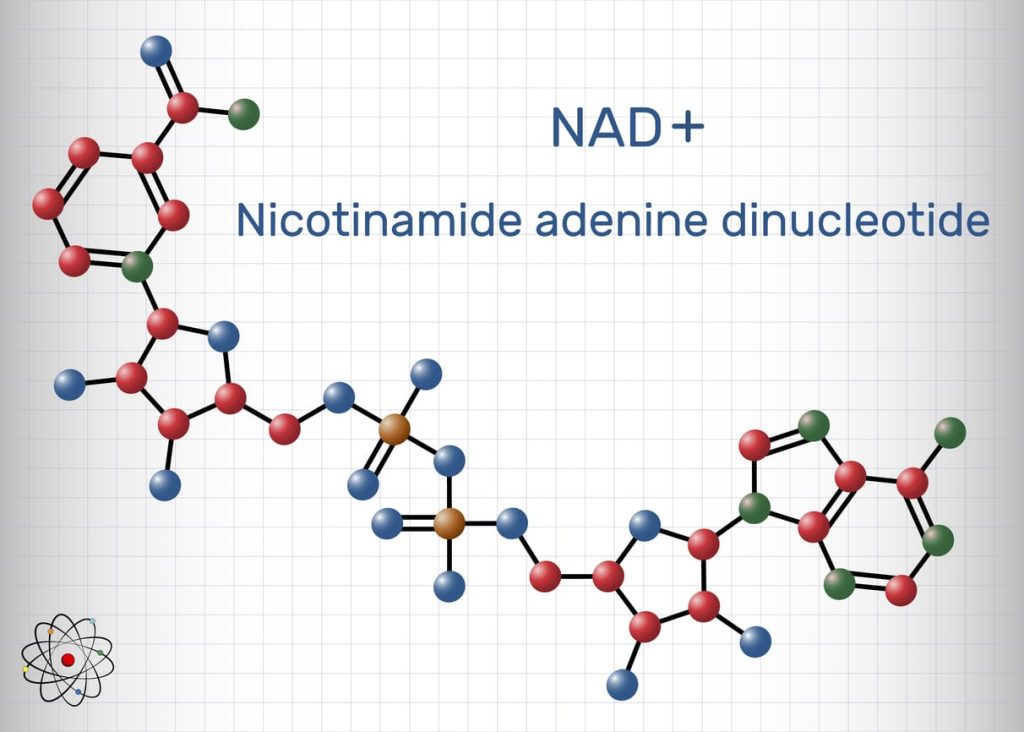
Nicotinamide adenine dinucleotide (NAD) plays a vital role in the process of energy metabolism and production, and plays a key role in mitochondrial function. Its functions range from redox reactions, and it is also known as a central player in multiple cellular signalling pathways, organ resilience and longevity. NAD also acts as a co-substrate to sirtuins (SIRTs), poly (ADP-ribose) polymerases (PARPs), and CD38, which I will further explain. Kidney disease and damage are common within the general population, especially the elderly and those living with diabetes. Research has found NAD+ is reduced in patients with acute kidney injury (AKI) and chronic kidney disease (CKD). There is now mounting evidence that NAD+ is beneficial for individuals with AKI, however, there is conflicting evidence for its use with CKD. As we age, our levels of NAD+ have been found to decline significantly.
You have probably heard about niacin, a form of B3. If you have, you will probably start asking, What is the difference between these forms of B3? This is where it can all become a little confusing!
So, what is the difference between niacin, nicotinamide and NAD?
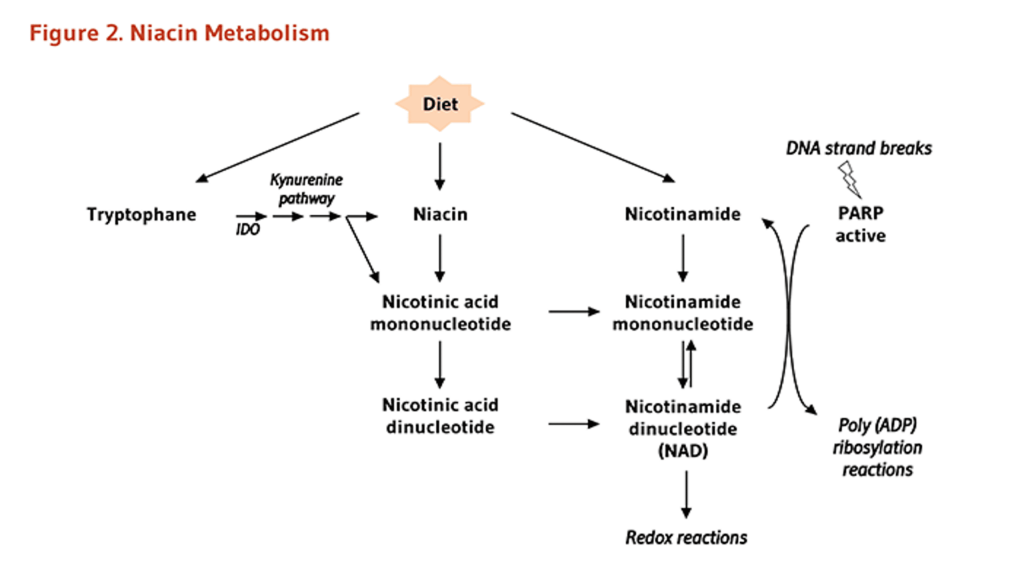
Dietary precursors of NAD, including nicotinic acid, nicotinamide, and nicotinamide riboside, are known as niacin or vitamin B3. A precursor, in this case, can best be described as a raw material gained through diet from which your body can then make NAD. Each NAD precursor will follow a specific pathway, which will eventually chemically convert it to NAD. NAD is the sole substrate for PARP enzymes and sirtuins, which are involved in DNA repair activity. Sirtuins are a type of protein involved in the regulation of cellular processes, including the aging and death of cells, and their stress resistance. They promote longevity and support healthy aging. Sirtuins rely on NAD+ to function properly. Available evidence suggests sirtuins have the potential for the prevention and treatment of kidney disease. NAD+ is a very important step in this process.
Poly (ADP-ribose) polymerases (PARPs) also repair damaged DNA. Studies have linked higher PARP activity to less DNA damage and a longer lifespan.
Nicotinamide (or niacinamide) is easily confused with its precursor nicotinic acid (or niacin). Nicotinamide is also an evidence-based oral treatment option for specific skin issues. Nicotinamide is the amide version of its precursor niacin. Back in the middle of the 20th century, niacin was identified as the first lipid-modifying drug and was used for high blood cholesterol. However, in the treatment of dyslipidaemia, niacin has been found to display some adverse effects. Flushing and telangiectasias (commonly known as spider veins) were common adverse effects.
Niacin is synthesised from the amino acid tryptophan. Tryptophan can be obtained from foods such as poultry, salmon and red meat. Niacin is then converted to niacinamide in the body, it functions as an enzyme cofactor. To make it more confusing, nicotinamide is the precursor to NAD+ and the reduced form NADP. These are both utilised in oxidative phosphorylation and ATP production and work as enzyme cofactors in around 200 different biochemical reactions.
Studies have suggested various benefits associated with the supplementation of NAD; these include;
May support and help restore mitochondrial function
Helps in the repair of blood vessels
May improve muscle function
May help to repair cells and damaged DNA
May improve cognitive function
May prevent age-related weight gain
As suggested, the precursors of NAD+ include protein and vitamin B3. Nicotinamide ribosome (NR), also called niagen, has been considered by some experts to be the most promising precursor to NAD+. Nicotinamide Mononucleotide (NMN) is another precursor of NAD+; it is similar to NR, the basic difference is that there is a phosphate attached. Low NAD+ levels have been associated with poor aging and some disease states
A recent paper published in the Journal of Biomedical Science suggests that preventing the decline of NAD could be a promising strategy to combat metabolic disorders. Studies support the idea that as we age, NAD declines. As a result, with a decrease in NAD, we see lower ATP production; additionally, decreased NAD levels affect PARPs and sirtuins, which leads to the inactivation of downstream pathways. These include DNA repair, cellular stress responses and energy metabolism regulation.
Research groups have used the precursors of NAD, NR, NMN and NR in order to increase levels of NAD. They found that this could improve insulin resistance due to obesity. They reported the administration of NR protected mice against obesity, glucose intolerance and increased fatty acid oxidation; energy expenditure and improved insulin sensitivity were also reported.
Our kidneys rely on an abundance of mitochondria within the renal tubule to generate enough ATP in order to provide enough energy to do their job. NAD+ is essential in supporting the production of energy, but it is also required for the regulatory reactions that will determine cellular health. Research has shown that in acute kidney injury (AKI), there are substantial decreases in levels of NAD+, which impairs energy generation and ultimately the core kidney function of selective solute transport.
Over the past 3 years, data from experimental models and clinical studies have implicated NAD+ homeostasis as determinative of kidney health and in the ability of the renal tubule to withstand various stressors. Research has suggested, the disruption of NAD+ metabolism may contribute to the link between AKI, CKD and aging.
There is still research to be done in this area; hopefully, we will see more shortly.
I hope you found this information useful. As always, please check with your healthcare professional before you add/wish to change any supplements or change your diet.
Introduction If you’ve been diagnosed with chronic kidney disease (CKD), you’ve likely heard about creatinine, eGFR, and potassium levels. But there’s a crucial enzyme that most doctors and even medical textbooks still aren’t discussing: renalase. Discovered only in 2005, this remarkable protein plays a central role in kidney health, blood pressure regulation, and the body’s…
Oxytocin is often called the ‘love hormone’ because of its well-known role in childbirth, breastfeeding, and emotional bonding. But emerging research reveals this remarkable hormone does far more than foster maternal connection. Scientists are now discovering that oxytocin plays a crucial role in kidney function and may offer significant protective benefits for people with chronic…
The Urgency of Kidney Health Chronic kidney disease (CKD) is one of the fastest-growing health concerns worldwide, affecting an estimated 10% of the population. The kidneys are essential for maintaining fluid balance, regulating blood pressure, detoxifying the body, and producing hormones. Once kidney function declines, recovery is difficult and often limited. Prevention, early support, and…

 By Libby Shaw