Even though autoimmune diseases are on the rise worldwide, getting an accurate diagnosis can still be a lengthy and frustrating process. ANCA vasculitis is a type of autoimmune disease that affects the small blood vessels in the body, which frequently involves the kidneys, and is one of the lesser-known causes of CKD.
So what is ANCA vasculitis? What are the symptoms? And how can natural medicine help? Read on to find out.
What is ANCA Vasculitis?
ANCA vasculitis is a type of autoimmune disease that affects small blood vessels in the body. It is caused by autoantibodies called ANCAs, or Anti-Neutrophilic Cytoplasmic autoantibodies.
Vasculitis is swelling or inflammation of blood vessels.
Vasc = blood vessels
– itis = swelling or inflammation
What You Need to Know About ANCA Vasculitis?
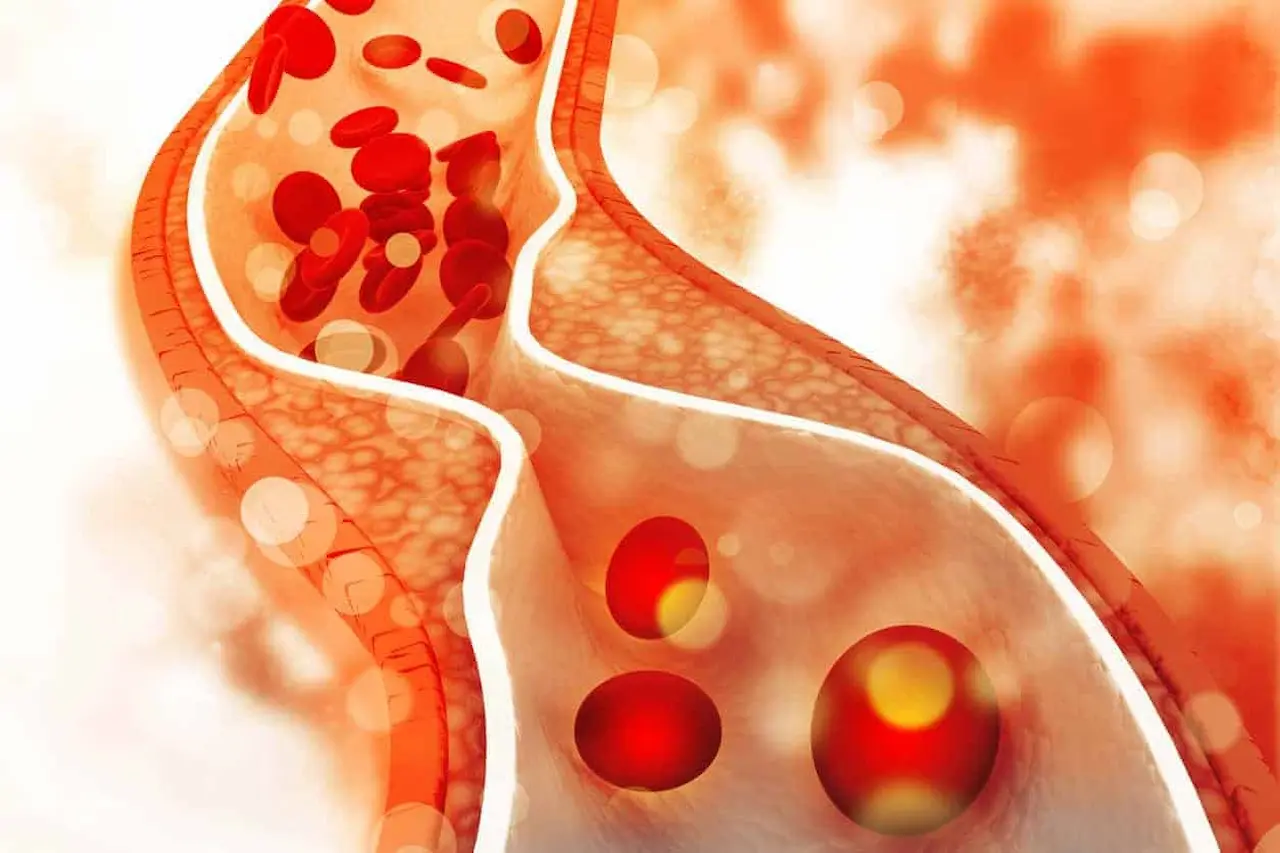
Blood vessels in the body carry blood from the heart to all the different organs/tissues and back again. Arteries, veins and capillaries are different kinds of blood vessels. The inflammation in vasculitides is caused by white blood cells attacking blood vessels.
When ANCAs (the autoantibodies) attach to neutrophils (a type of white blood cell), it makes the neutrophils attack small blood vessels in the body, causing them to become swollen and inflamed. Part of the damage to the blood vessels is also caused by the generation of oxygen-free radicals and increased oxidative stress.
Not all small blood vessels in the body get attacked, and symptoms depend on what body parts are involved.
ANCA vasculitis is an umbrella term that encompasses four different vasculitis conditions:
Granulomatosis with polyangiitis (GPA), previously known as Wegener’s granulomatosis
Microscopic polyangiitis (MPA)
Eosinophilic granulomatosis with polyangiitis (EGPA), previously known as Churg-Strauss syndrome
Renal-limited vasculitis (RLV)
Before I go into a bit more detail about ANCA vasculitis, first, it’s important to understand what an autoimmune disease actually is.
What is an Autoimmune Disease?
The immune system’s job is to defend the body from infections or germs. White blood cells are a major part of the immune system. It can be helpful to think of them as the soldiers of the immune system. When the immune system recognises something foreign (like germs that cause infection), white blood cells attach to and attack the invaders.
Autoimmune disease is what happens when the body’s immune system attacks the body itself, rather than attacking an infection or foreign invader. Auto = self, so autoimmune means the immune system is attacking itself.
The immune system makes antibodies to help prevent or fight infection. Antibodies recognise and attach to something (like bacteria or germs) to help the immune system find it and attack- sort of like marking or tagging it. Normally, antibodies are made that recognise germs and invaders (things foreign to the body). However, sometimes the body can make antibodies that recognise and attach to someone’s cells or tissues. These are called autoantibodies (auto = self, so autoantibody = antibody to something in oneself).
Different kinds of autoantibodies are involved in different autoimmune diseases. Since autoantibodies can recognise or target different things, how an autoimmune disease works and what symptoms it causes depend on what the autoantibody targets.
What are ANCA?
Anti-neutrophil cytoplasm antibodies (ANCA) are autoantibodies that target a type of white blood cell called neutrophils, which are important in health for fighting infection. In ANCA vasculitis, ANCA specifically binds to two proteins that are normally found in the fluid within the neutrophil (cytoplasm).
The two proteins are called proteinase 3 (PR3) and myeloperoxidase (MPO). People with ANCA vasculitis usually have autoantibodies against PR3 or MPO but not both. ANCA isn’t just a measurable blood marker in people with ANCA vasculitis; but they are harmful autoantibodies that are directly involved in small blood vessel damage. When ANCA bind to neutrophils in the blood, it results in:
The release of toxic substances from neutrophils causes damage to small blood vessel walls
Neutrophil migration through blood vessel walls causes inflammation in the surrounding tissues
Release of signalling factors that attract more neutrophils, perpetuating the inflammation and destruction of small blood vessels
Risk factors for developing ANCA vasculitis
There is evidence that both genetic susceptibility and environmental exposures contribute to the development of ANCA vasculitis. However, the actual mechanism by which ANCA arises in different people at different ages is poorly understood. Possible triggers include:
Bacterial or viral Infection, for example, Staphylococcus aureus (found in about 70% of people with ANCA vasculitis)
Exposure to silica, a compound present in sand, soil, and rock
Inhalation of chemical compounds used in industry, such as alcohols, paint thinners, and glues
Farming- mainly due to inhaled substances from soil, dust, animals, and pesticides
Exposure to environmental dust, such as that released during natural disasters
Medications including propylthiouracil, methimazole, carbimazole, hydralazine, and minocycline
Depending on the organ or tissue where blood vessel damage occurs, ANCA vasculitis can cause different symptoms.
General signs and symptoms include:
Fever
Headache
Fatigue
Weight loss
General aches and pains
Night sweats
Other signs and symptoms are related to the parts of the body affected, including:
Skin: purplish skin rash, a rash with hives, itchiness
Respiratory tract: cough, shortness of breath, coughing up blood, chest pain
Musculoskeletal: muscle pain, joint pain
Eye, ear, nose, and throat: sinusitis, greenish, brown, or bloody discharge from the nose that may form a crust, red and irritated eyes, ringing in the ears, ear infection
Nervous system: numbness, tingling, burning sensations, and weakness in different parts of the body
Digestive system: diarrhea, nausea, vomiting, stomach pain, blood in stool
Kidneys: haematuria (blood in urine), proteinuria (protein in urine), elevated creatinine, reduced eGFR
Kidney Involvement
Kidney involvement is very common in ANCA vasculitis and is often asymptomatic until advanced renal failure occurs. For this reason, it’s super important that kidney involvement is diagnosed early, and anyone with symptoms of ANCA vasculitis is screened for kidney involvement specifically through urine tests looking for protein and blood and blood tests measuring creatinine and eGFR.
When ANCA vasculitis involves the kidneys, it affects the filters in the kidneys. The filters of the kidney are called glomeruli. The glomeruli are made of a bundle or ball of tiny blood vessels called capillaries. Since ANCA antibodies affect small blood vessels, these small blood vessels in the glomeruli (filters) can be attacked and damaged.
ANCA glomerulonephritis is the term used when ANCA vasculitis has affected the kidneys, and when this happens, there is inflammation and swelling in the kidney filters. Inflammation from vasculitis can cause the walls of the blood vessels to weaken, stretch, thicken and swell or develop scarring, which can narrow the vessel and slow or completely stop the normal flow of blood.
When there is inflammation and swelling in the glomerulus, like when white blood cells attack them in ANCA vasculitis, they don’t work properly, and red blood cells and protein can leak into the urine. Sometimes blood can be seen in the urine, making it look brown like tea or Coke, but sometimes it can only be seen on a test called a urine dipstick (or urinalysis) or under a microscope. Protein in the urine can also be detected on a urine dipstick and can sometimes make the urine look foamy or bubbly.
The inflammation in the kidneys from the ANCA antibodies attacking the glomeruli also causes the kidney function to get worse, which means that the kidneys aren’t able to clean the blood by getting rid of toxins/waste, fluid, and electrolytes in the urine. This can lead to kidney damage and eventually to kidney failure if not identified and treated.
Sometimes ANCA vasculitis can affect kidney function slowly- over weeks, months, or even years- but in many people, it can happen very quickly, in days. The inflammation can lead to scarring, which may cause permanent damage to the kidney.
Diagnosing ANCA vasculitis
There is no standardised way of diagnosing ANCA vasculitis, and because of this and the variety of symptoms that people can present with, diagnosis is often delayed.
Doctors use a combination of tests, as well as symptoms and physical exams to diagnose ANCA vasculitis. Below are some tests that are often used to evaluate for ANCA vasculitis:
A blood test to detect ANCA (the autoantibodies)
Blood tests that show inflammation in the body- eg, CRP, ESR
To check for kidney involvement- urine tests for blood and protein, and blood tests for kidney function (eGFR, creatinine, urea)
To check for lung involvement- x-rays and/or CT scans of the chest. Further testing may include bronchoscopy, which involves looking into the airways/lungs with a camera
To look for sinus involvement, an endoscopic exam (looking with a small camera) of the sinuses
Biopsy of affected tissue or organ- a procedure to get a small piece of tissue (for example, kidney, lung, sinus or skin) from a body part to look at under the microscope
Although a positive ANCA blood test can be very helpful in pointing to a diagnosis of ANCA vasculitis, it’s not a perfect test and cannot determine the diagnosis alone. An ANCA test can sometimes be positive in other diseases, and 10-20% of people with ANCA vasculitis have a negative ANCA test.
Medical treatment of ANCA vasculitis
There is no cure for ANCA vasculitis, so treatment is aimed at managing the condition. In general, treatment involves 2 parts. The first part is called induction therapy, which is aimed at trying to get the disease controlled and into remission. Once the disease goes into remission, the second part of treatment is called maintenance therapy. Maintenance therapy involves keeping the disease in remission and decreasing the chance that it will come back (relapse).
Some of the treatments/medicines that can be used are:
Corticosteroids– can be given by IV or by mouth. Steroids are often started first, but are much less effective on their own. They are usually given with one of the other medications listed below.
Cyclophosphamide– this is a medication that can be given as a monthly infusion or as a daily pill. This is generally given for anywhere from 3 to 6 months as induction therapy to get the disease into remission. It is a type of chemotherapy (though it is given at lower doses than are used for cancer).
Rituximab– this is given as an infusion. It is an antibody that targets the cells of the body’s immune system that make antibodies (to prevent the body from making more ANCA autoantibodies).
Mycophenolate– this is a pill that is taken daily. It is used less commonly in ANCA vasculitis, but is an alternative treatment if other medications are not an option or do not work.
Plasmapheresis– this is a procedure that removes antibodies from the bloodstream, including the ANCA autoantibodies that cause this disease. A person’s blood is run through a machine that removes antibodies from the blood, then the blood is returned to the body (without the antibodies).
Okay, so now that we understand what ANCA vasculitis is, how it manifests, how it’s diagnosed, and how it is treated by conventional medicine, it’s time to talk about the role that natural therapies can play in the management of this condition.
Natural therapies treatment
The key treatment aims for ANCA vasculitis are to reduce inflammation and oxidative stress to protect the blood vessels and the kidneys from damage, and to balance the immune system to reduce the hyperactivity of the immune system, which is driving the damage.
These measures are also beneficial for people who have existing kidney damage caused by ANCA vasculitis to work on healing their kidneys and improving kidney function.
Diet & Lifestyle Advice:
Eat a gluten-free diet- gluten can increase the risk of developing autoimmune conditions, and gluten-free diets are important in managing autoimmune conditions, protecting the kidneys, and reducing inflammation within the body.
Follow an alkaline diet
Avoid smoking, caffeine, and alcohol
Eliminate red meat and processed meats
Eliminate dairy
Reduce intake of protein and stick to primarily vegetable proteins with small amounts of white meat and seafood
Avoid refined and processed foods
Reduce salt intake
Exercise regularly
Actively manage stress- this may be through meditation, breathing exercises, yoga, tai chi, or whatever practice you find most enjoyable
Get enough sleep
Maintain a healthy blood pressure (at or below 130/80)
Maintain healthy cholesterol levels
Avoid medications that can affect the kidneys, such as nonsteroidal anti-inflammatory drugs
Use anti-inflammatory spices such as turmeric, ginger, rosemary, cinnamon, and garlic
Nutritional Supplements:
Omega-3 Fatty Acids: well-studied for their anti-inflammatory actions and shown to reduce the production of inflammatory cytokines that are elevated in ANCA vasculitis and are well-known to be protective of the heart and blood vessels. Studies on the use of omega-3 fatty acids in autoimmune kidney disease have shown that they lower levels of inflammation, reduce proteinuria, and reduce the progression of kidney disease.
In an animal study of ANCA vasculitis, the omega-3 fatty acid EPA strongly inhibited ANCA production, prevented the elevation of blood urea nitrogen, and reduced inflammation in the glomeruli.
Alpha lipoic acid: one of the key nutrients in supporting kidney health and healing the kidneys. It protects the kidneys, improves glomerular function, reduces inflammation and oxidative stress, and improves blood flow to the kidneys. Alpha lipoic acid acts as an antioxidant and increases the production of the body’s endogenous antioxidants, which may help reduce damage to the blood vessels caused by free radicals.
Vitamin E: the ability of vitamin E to prevent loss of kidney function appears to be due to a combination of its antioxidant and anti-inflammatory properties. Treatment with vitamin E has been shown to reduce the production of free radicals, which, along with inflammatory cytokines, are involved in damaging blood vessels in ANCA vasculitis.
The use of vitamin E can reduce the development of renal fibrosis and kidney scarring. Even after fibrosis and scarring are present, vitamin E can help to reverse this.
Vitamin D: Vitamin D insufficiency and deficiency a risk factors for the development of all autoimmune diseases, and ANCA vasculitis is no different. Multiple studies have shown that people with ANCA vasculitis are more likely to have low vitamin D levels compared to those without ANCA vasculitis.
Low vitamin D levels have also been associated with more severe vasculitis and higher levels of inflammation. Vitamin D performs various immunomodulatory, anti-inflammatory, antioxidant, and anti-fibrotic actions and is involved in regulatory pathways that help prevent or ameliorate inflammatory and immune-mediated tissue injury.
Selenium: low selenium levels have been noted in people with autoimmune diseases, which may be a risk factor for inflammation and initiation of autoimmunity in these people. Selenium has been shown to contribute to the management of complications of autoimmune diseases and even improve survival in those with autoimmune diseases, which may be due to the anti-inflammatory effects of selenium.
Vitamin C: another important antioxidant and anti-inflammatory nutrient that protects against damage to the kidneys, as well as supporting the function of the immune system. Like vitamin E, vitamin C has been shown to reduce the production of free radicals that contribute to the damage to blood vessels in ANCA vasculitis.
Vitamin C is particularly important when it comes to the structure and function of blood vessels. Vitamin C strengthens and repairs the walls of our blood vessels, reduces inflammation and oxidative stress within blood vessels, and helps blood vessels dilate, both lowering blood pressure and increasing blood and oxygen flow throughout the body.
Herbal Medicine:
Rehmannia glutinosa: Rehmannia has a protective effect on the kidneys and is capable of slowing down or halting the progression of kidney disease when used in the early stages of renal failure. The herb targets the kidneys directly, so it is considered very useful, especially for improving the strength of the still-working aspects of the kidneys. Rehmannia is able to reduce cytokine-mediated inflammation. The release of cytokines is associated with many disease processes, but they are particularly involved in autoimmune diseases.
Rehmannia is also considered an immunomodulator. What this means is that it can modulate or balance the immune system. If your immune system is suppressed, then it upregulates it, and if it is overactive, like in the case of an autoimmune condition, it downregulates it. This makes it a particularly important herb in the treatment of autoimmune kidney disease.
Echinacea (Echinacea Angustifolia; Echinacea Purpurea): Echinacea’s primary use is modulating and balancing the activity of the immune system, which makes it a key herb in the treatment of autoimmune kidney disease. Echinacea also has anti-inflammatory actions and is effective in preventing oxidative injury to the kidneys.
Cordyceps Sinensis: Cordyceps is an immune modulator, which means that it helps to balance the immune system, boost a weak immune system, and suppresses overactive immune responses. For this reason, Cordyceps can be used for the treatment of autoimmune diseases.
Cordyceps also has strong antioxidant and anti-inflammatory effects and has been shown to reduce the number of inflammatory cytokines responsible for the inflammation in ANCA vasculitis. It also reduces scarring in the kidneys.
Don’t forget….
Make sure you discuss any new supplements with your healthcare provider to ensure they are appropriate for your use. This is particularly important if you are taking any medication to ensure the herbs/nutrients don’t interact with your medications.
Hopefully, I’ve given you a better understanding of ANCA vasculitis and the ways that you can use your diet and lifestyle, as well as natural medicines, to help manage this condition and protect and heal your kidneys. If you’ve found this information helpful, please let me know by clicking the ‘SHARE’ button below.
Introduction If you’ve been diagnosed with chronic kidney disease (CKD), you’ve likely heard about creatinine, eGFR, and potassium levels. But there’s a crucial enzyme that most doctors and even medical textbooks still aren’t discussing: renalase. Discovered only in 2005, this remarkable protein plays a central role in kidney health, blood pressure regulation, and the body’s…
Oxytocin is often called the ‘love hormone’ because of its well-known role in childbirth, breastfeeding, and emotional bonding. But emerging research reveals this remarkable hormone does far more than foster maternal connection. Scientists are now discovering that oxytocin plays a crucial role in kidney function and may offer significant protective benefits for people with chronic…
Discover the fundamental role electrons play in your health and learn science-backed strategies to optimize your body’s electrical balance for disease prevention and kidney protection. Why Electrons Are the Missing Link in Your Health Journey Most people think about health in terms of diet, exercise, and medications, but there’s a fundamental layer that’s often overlooked:…

 By Emily Cahill N.D.