


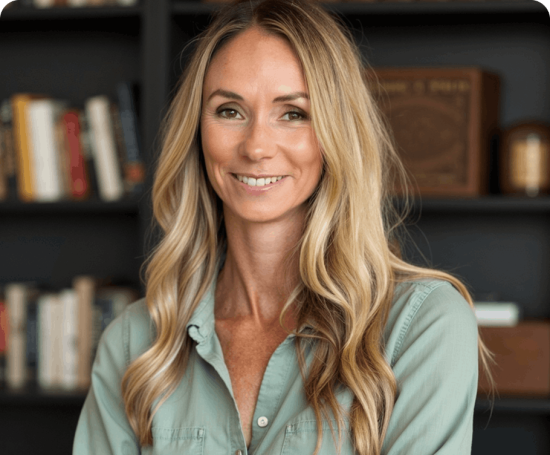
Fiona Chin, ND
Co-Founder of Kidney Coach, B.Hsc Naturopathy, Author, Podcaster & Naturopath
Fiona is a Kidney Coach lead writer and fully qualified Naturopath with a Bachelor’s degree in health science. She has been in clinical practice for over 20 years, working in the USA, Canada and Australia.
She specializes in those diagnosed with neurological autoimmune conditions, longevity medicine, and chronic kidney disease. She co-founded Kidney Coach, which provides programs and education to empower those diagnosed with CKD, and KYGENESIS®, a supplement range designed for those diagnosed with kidney disease. She also hosts a podcast on YouTube called The Kidney Coach, a health channel dedicated to supporting those with all types of CKD.
Fiona was Australia’s first qualified Wahls practitioner, which uses scientifically proven dietary interventions to improve the outcomes for those diagnosed with autoimmune conditions. She has also undertaken post-graduate training in peptide therapy. She was also asked to be the lead author of a Springer Nature medical text on “Integrative Strategies for Those Diagnosed with Kidney Disease”, which is currently with the editors before printing in late 2025. She was also a key presenter at the Post-Viral Symposium for Long-Haul Covid in late 2024.
She worked alongside world-renowned neuroscientists and researchers when she worked for Dr. Joe Dispenza, who is rewriting the science around what is possible with meditation, the human mind and the body’s ability to heal.
When Fiona isn’t running KYGENESIS® and Kidney Coach, seeing patients, or recording podcasts, you will probably find her researching the latest breakthroughs in treatment for CKD, spinal cord injuries or other complex chronic conditions. If she isn’t doing that, she will be playing with her Dobermann Apollo.
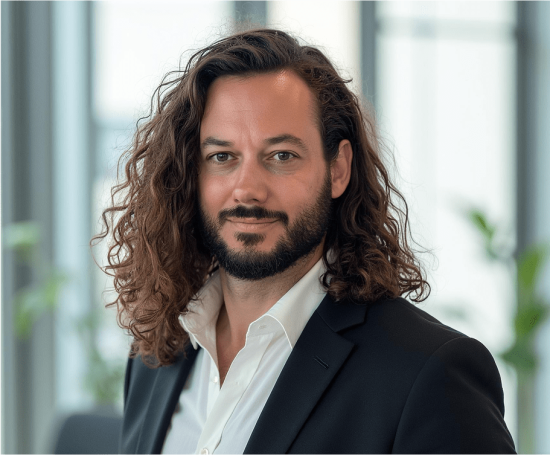
Duncan Capicchiano, ND
Co-Founder of Kidney Coach, Naturopath, Researcher, and Author
Duncan is a second-generation Naturopath and fully qualified Nutritionist with over 20 years of experience in the health industry. He has worked across Australia and the United States, and is recognised as a leading kidney disease specialist. He developed the world’s first naturopathic kidney health program and is a best-selling author in the field.
Duncan is the co-founder of Kidney Coach, where he’s committed to making holistic kidney care accessible, practical, and empowering for people at every stage of their journey. With a background in advanced naturopathic medicine and clinical nutrition, he specialises in supporting those with chronic kidney disease (CKD) and related metabolic conditions.
Drawing on both traditional naturopathy and modern, evidence-based strategies, Duncan has helped thousands around the world improve their health and quality of life. In addition to his kidney work, he has developed respected programs for thyroid and liver health and is the author of several health-focused books.
Known for his clear, down-to-earth communication style, Duncan excels at turning complex health concepts into real-world strategies. His mission is to give people the knowledge and confidence to take control of their kidney health through natural therapies, sustainable lifestyle changes, and ongoing support.
Outside of his professional life, Duncan enjoys traveling, hiking in nature, live music, and the occasional comedy night. He’s continually exploring the latest in nutrition and functional medicine, driven by a passion to create meaningful, lasting change, one kidney at a time.

Rachel Marley ND
Qualified Naturopath & Nutritionist, BSc (Science & Education), BHSc (Naturopathy)
Rachel is a degree-qualified Naturopath and Nutritionist with almost a decade of clinical experience specialising in kidney health, gut function, immune support, children's wellbeing, and emotional health.
As a certified MINDD practitioner and FITGENES trained professional, she brings an evidence-based approach to her practice while honouring traditional naturopathic principles. Outside of clinical practice, Rachel serves as the secretary of the General Council and Register of Naturopaths, the oldest Naturopathic organisation in the UK. Rachel is passionate about collaborating with colleagues, furthering the advancement of naturopathic medicine.
At the core of Rachel's practice is a wellness-centred model of healthcare that shifts away from conventional sick-care management. She understands that very few people are living at their optimum level of wellness, with many suffering from commonplace health conditions such as fatigue, depression, and allergies. Rachel believes these conditions should not be accepted as inevitable aspects of being human but rather as signs of a body living out of balance. She has come to understand that many health challenges stem from our disconnection from our bodies and our innate state of balance.
Her expertise lies in identifying the root causes underlying health concerns, with particular emphasis on the profound connection between emotional and physical wellbeing. This understanding informs her personalised treatment protocols, which combine nutritional science, lifestyle medicine, and natural remedies tailored to each individual.
"I believe that our bodies have an innate capacity to heal when given the right conditions," Rachel explains. "My role is to help identify the obstacles to healing and provide the tools for sustainable wellness."
One of Rachel’s true passions is being a mother to her three children and three fur babies (dogs). She enjoys the peace of being in nature and loves nothing better than a walk in the woods.
A forever student at heart, she continuously expands her knowledge of the intricate relationship between physical health and emotional wellbeing through ongoing education and research. Rachel works collaboratively with patients to develop practical health strategies that honour their unique circumstances and goals, empowering them with the knowledge and support needed for their health and wellbeing journey.
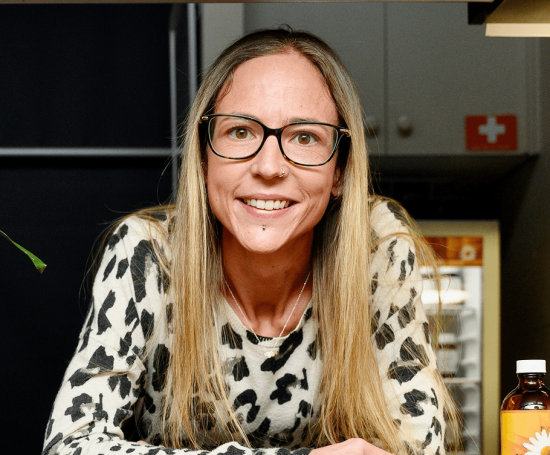
Emily Cahill, ND
Naturopath & Registered Nurse – BHSc (Naturopathy), BHSc (Nursing)
With qualifications in both Naturopathy and Nursing, I bring a unique perspective to health and healing — one that bridges the gap between conventional medicine and holistic care. After completing my nursing degree in 2005 and working in an acute care hospital, I began to realise that while we were treating disease, we often weren’t getting to the root cause of it. That realisation led me to study naturopathy and embrace a more integrated, person-centred approach to health.
At KidneyCoach I work behind the scenes in customer service — supporting our community by answering emails, assisting with supplement inquiries, and helping people feel informed, heard, and confident in their next steps. It’s a privilege to be part of a company that empowers individuals to take control of their kidney health through education, natural therapies, and practical tools.
In addition to my clinical training, I’m also a Reiki and EFT practitioner and have a deep interest in the mind-body connection — how our thoughts, emotions, and beliefs can influence our physical health. I believe healing involves the whole person, not just the diagnosis, and that even small shifts in thinking can create powerful changes in wellbeing.
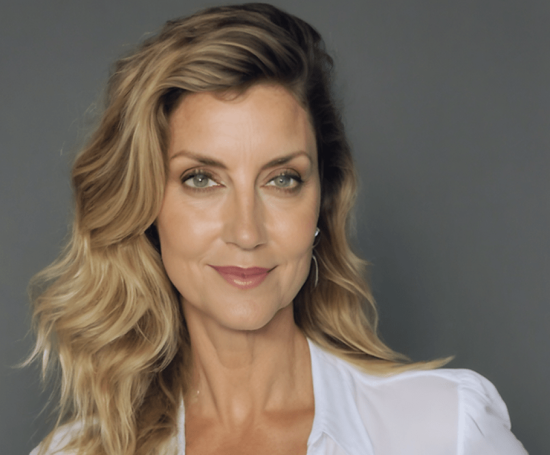
Stephanie MoDavis
Certified Holistic Health Provider & Yoga Therapist, Kidney Coach Peer Support Guide
Stephanie, a compassionate holistic health coach, has navigated a profound journey of healing and transformation. Her path has been marked by significant challenges, including childhood adversities (ACEs), an eating disorder, autoimmune complications, kidney failure necessitating years of dialysis, and the emotional turbulence of heartbreak and a failed relationship. Her resilience was further tested by declining health and two organ transplants. At her lowest point, Stephanie even experienced a near-death event that reshaped her perspective on life.
Stephanie's focus is to initiate and hold space for self healing and inner transformation. She has spent over 25 years in the dual role of healing practitioner, (as a yogi and naturopath), and experiencer as a patient. Her awakening occurred in 2006 and amplified exponentially in 2015.
She knows fully the consequences of living in fear and unconscious mental patterns. She has learned to walk between worlds of eastern and western traditions while advocating for holistic interrelating, self healing and modern implementation process in the West. She has experienced and acknowledges her spiritual awakening and integration process were as if not more challenging than years in kidney failure and living on dialysis. She embodies what it takes to alchemize our mental shadows while facing complexity, while holding space for our true nature to compassionately emerge.
In her personal work, she introduces and guides organizing principles related to coincidentia oppositorum." This was an important principle in Platonic philosophy and metaphysics. The union of opposing inner forces via tailored processes such as hemi-sync, initiation and trauma integration, seeing and guiding to break complex mental patterns, polarity mentorship, relationship evolution, and the spiritualization process into our new era of conscious awareness that's rooted in a healthy self aware mind and regenerated heart.
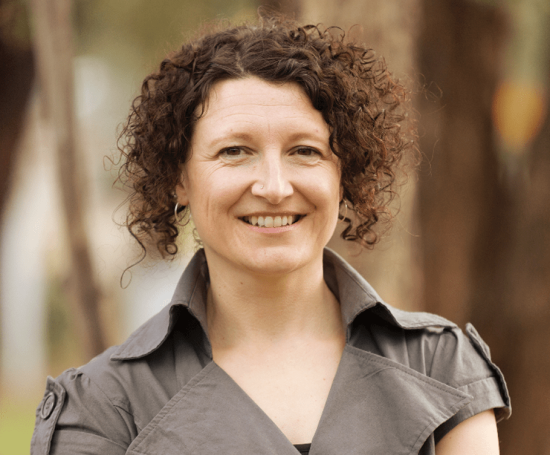
Libby Shaw, ND
Supporting wellbeing through traditional natural medicine.
Libby Shaw has over 20 years’ experience working and consulting in the natural health industry. After graduating Melbourne College of Natural Medicine (Endeavour College) in 1999, she has continued working and being mentored within a multi-disciplinary clinic in Eltham, where she gained invaluable experience in supporting individuals through their health journey.
B.HSc (Naturopathy), Ad. Dip Health Science (Naturopathy), Dip. Western Herbal Medicine, Dip. Nutrition, Ayurveda, Dip Remedial Massage, Cert. Homotoxicology, Reiki 1 & 2.
Treating clientele in areas of natural family healthcare, Libby has developed many areas of speciality including immune related conditions, thyroid conditions, digestive complaints/ food intolerances, children’s health, female reproductive conditions and healthy weight management and now kidney disease.
Libby’s caring and results focused care aims to get to the bottom of your health concerns as simply and naturally as possible without judgement. She combines a balanced approach of naturopathy, homeopathy and food as medicine to assist the body’s natural healing ability and sustainable lifestyle results.
Libby is a passionate mother of two energetic boys, gardener, food creator and student and I am constantly inspired by nature.

Dr. Matthew Lyon CD
Chiropractic and Kinesiology, practitioner of natural healing and wellness.
Dr. Matt is a U.S based chiropractor and acupuncture practitioner who owned and operated one of the largest chiropractic clinics of its kind in the world. His clinic had a 6-9 month waiting list where clients flew from around the world to participate in a wholly unique MindBody paradigm and practice of healing and wellness. He skillfully combined his mastery of energy medicine, functional medicine, coaching, and chiropractic to help people turn their lives around, regain their health, and re-experience the extraordinary.

Dr. Carla Stanton MD
Family physician and certified functional medicine doctor.
Dr Carla Stanton is a GP and Functional Medicine Doctor from the UK with over two decades of clinical experience, and a former clinical teaching fellow at Nottingham University Medical School.
In more recent years she has trained in the USA in meditation and with the Institute of Functional Medicine (IFM), and in 2019 became the Medical Director of HeartMath UK; a scientifically validated biofeedback tool for increasing resilience and reducing stress.
Dr Carla now delivers performance and wellbeing programs to healthcare professionals helping to implement cultural shifts in medical establishments, travels internationally facilitating HRV (Heart Rate Variability) research with Dr Joe Dispenza, and is part of the Kidney Coach Research Team.
Cart
Complete your routine
-
 Kidney Diabetes Support
Kidney + Metabolic Protocol
Only $172.00 USD — or Only Original price was: $172.00 USD.$129.00 USDCurrent price is: $129.00 USD. / month $172.00 USD / one time purchase $129.00 USD / with subscription Save $43.00 USD25% OFF -
 Advanced Kidney Defense
Kidney Repair Protocol 4-5
Only $182.00 USD — or Only Original price was: $182.00 USD.$136.50 USDCurrent price is: $136.50 USD. / month $182.00 USD / one time purchase $136.50 USD / with subscription Save $45.50 USD25% OFF - Advanced Kidney Defense
Kidney Repair Protocol 1-3
Only $182.00 USD — or Only Original price was: $182.00 USD.$136.50 USDCurrent price is: $136.50 USD. / month $182.00 USD / one time purchase $136.50 USD / with subscription Save $45.50 USD25% OFF -
 Vital Function Defense
Kidney + Cardio Protocol
Only $172.00 USD — or Only Original price was: $172.00 USD.$129.00 USDCurrent price is: $129.00 USD. / month $172.00 USD / one time purchase $129.00 USD / with subscription Save $43.00 USD25% OFF -
 Core Kidney Detox
Kidney Essential Protocol
Only $172.00 USD — or Only Original price was: $172.00 USD.$129.00 USDCurrent price is: $129.00 USD. / month $172.00 USD / one time purchase $129.00 USD / with subscription Save $43.00 USD25% OFF -
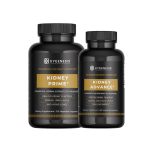 Daily Foundational Support
Kidney Support Protocol
Only $139.00 USD — or Only Original price was: $139.00 USD.$104.25 USDCurrent price is: $104.25 USD. / month $139.00 USD / one time purchase $104.25 USD / with subscription Save $34.75 USD25% OFF -
 Herbal Nourishment
Nanna’s Kidney Tea
Only $39.00 USD — or Only Original price was: $39.00 USD.$29.25 USDCurrent price is: $29.25 USD. / month $39.00 USD / one time purchase $29.25 USD / with subscription Save $9.75 USD25% OFF -
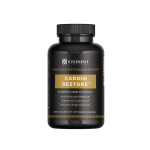 Heart Support
Cardio Restore™
Only $39.00 USD — or Only Original price was: $39.00 USD.$27.30 USDCurrent price is: $27.30 USD. / month $39.00 USD / one time purchase $27.30 USD / with subscription Save $9.75 USD25% OFF -
 Glucose Balance
Gluco Restore™
Only $39.00 USD — or Only Original price was: $39.00 USD.$29.25 USDCurrent price is: $29.25 USD. / month $39.00 USD / one time purchase $29.25 USD / with subscription Save $9.75 USD25% OFF -
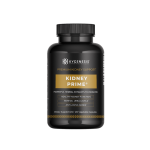 Cellular Support
Kidney Prime®
Only $59.00 USD — or Only Original price was: $59.00 USD.$44.25 USDCurrent price is: $44.25 USD. / month $59.00 USD / one time purchase $44.25 USD / with subscription Save $14.75 USD25% OFF -
 Filtration Protection
Kidney Advance®
Only $87.00 USD — or Only Original price was: $87.00 USD.$65.25 USDCurrent price is: $65.25 USD. / month $87.00 USD / one time purchase $65.25 USD / with subscription Save $21.75 USD25% OFF -
 Acid Buffering
Kidney Alkalizing Formula Stages 4-5
Only $49.00 USD — or Only Original price was: $49.00 USD.$36.75 USDCurrent price is: $36.75 USD. / month $49.00 USD / one time purchase $36.75 USD / with subscription Save $12.25 USD25% OFF -
 pH Optimization
Kidney Alkalizing Formula Stages 1-3
Only $49.00 USD — or Only Original price was: $49.00 USD.$36.75 USDCurrent price is: $36.75 USD. / month $49.00 USD / one time purchase $36.75 USD / with subscription Save $12.25 USD25% OFF
Savings:
- Rated 4.6 out of 5
- Try it risk-free for 60 days