 By Fiona Chin N.D.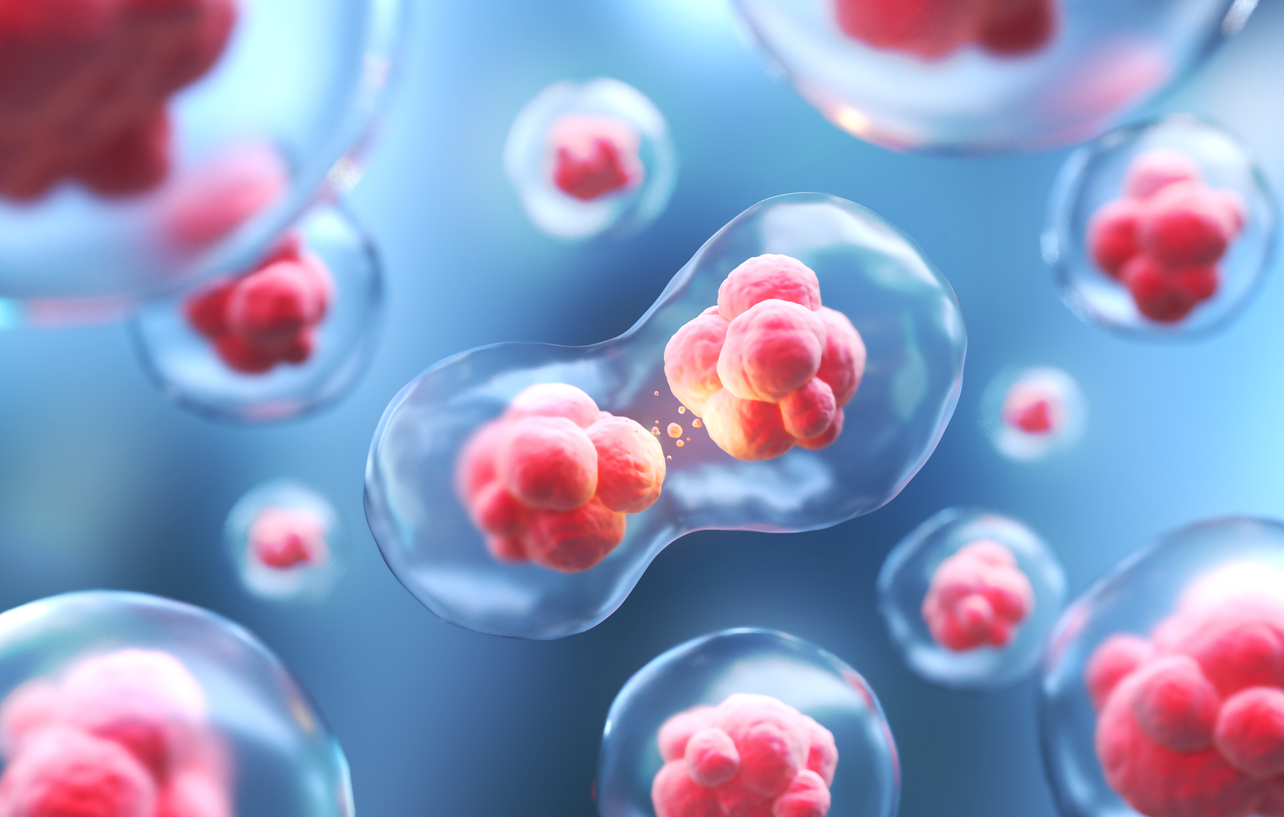
Stem cells and CKD (chronic kidney disease) are at the forefront of regenerative medicine, offering hope for patients asking “can kidneys regenerate?” or “how to regenerate kidneys?”. While traditional medicine has long managed symptoms of kidney disease, new research into stem cells for kidney disease and exosome therapy is shifting the focus toward repair and regeneration.
In this video, Dr. Alexander Grinberg explores the latest science behind stem cells and CKD, explaining the crucial differences between stem cell therapy and exosomal therapy, and when each approach may be most effective.
Stem Cells vs Exosomes: What’s the Difference?
Understanding stem cells vs exosomes is essential for patients and practitioners exploring kidney regeneration.
- Stem Cells: Living cells capable of differentiating and promoting repair in damaged tissues.
- Exosomes: Tiny vesicles secreted by stem cells that carry proteins, RNA, and signaling molecules. They deliver many of the regenerative benefits of stem cells without the risks of cell transplantation.
Dr. Grinberg highlights how exosomes for kidney disease are showing promise in reducing inflammation, protecting kidney tissue, and supporting renal recovery, often with a superior safety profile compared to full cell therapies.
Advanced Approaches in Kidney Regeneration
Beyond the basics, the video covers advanced cell types and mechanisms including:
- MUSE Cells & T-Regulatory Cells – Enhancing immune balance and driving regenerative potential.
- Secretomes – The collective signaling factors secreted by stem cells that orchestrate repair.
- Kidney Progenitor Cells & V Cells – Emerging frontiers in true kidney regeneration.
These innovations are shaping the future of regenerative medicine for CKD patients, opening new pathways beyond dialysis and transplantation.
Practical Considerations for Patients
Stem cell therapy and exosome treatments must be approached with caution and knowledge:
- Safety & Certification: Why sourcing, quality standards, and clinical oversight matter.
- Timing & Application: When stem cell therapy may be more beneficial than exosomes and vice versa.
- Supporting the Body: Lifestyle and integrative strategies that maximize the effectiveness of regenerative therapies.
The Future of Stem Cells and Kidney Disease
The intersection of stem cells and CKD offers a glimpse into the future of medicine, one where kidneys may not just be supported but potentially regenerated. By understanding the role of exosomes, MUSE cells, and other advanced regenerative tools, patients and practitioners alike can better navigate the options available today and prepare for tomorrow’s breakthroughs.
👉 Watch the full video to learn directly from Dr. Alexander Grinberg about stem cells, exosomes, and kidney disease treatment and discover how regenerative medicine is transforming the way we think about kidney health.
00:00 Intro 00:15
Dr. Alexander Grinberg Introduction
02:33 Understanding Stem Cells, Exosomes & Real-World Challenges
05:24 Difference Between Stem Cells and Exosomes
06:42 When to Use Exosomes Over Stem Cells?
10:44 Exosomes for Kidney Disease: Benefits & Safety
14:09 Due Diligence for Exosome & Stem Cell Treatments
18:06 Stem Cells: Types, Benefits & Safety
24:18 Secretomes, T-Regulatory Cells & Muse Cells in Kidney Disease
32:45 MUSE Cells: Quality, Certification & Patient Safety
38:51 Stem Cells in Kidney Disease: Types, Applications & Considerations
48:26 Kidney Progenitor & MUSE Cells: Regenerative Potential
52:33 V Cells in Regenerative Medicine: Potential, Safety & Costs
1:01:25 The Future of Regenerative Medicine
1:03:45 Optimizing Your Body for Regenerative Medicine
1:09:49 Final Thoughts on Regenerative Medicine
1:12:35 Outro