Tips for Optimal Kidney Function
Kidney disease occurs when these vital organs lose their ability to filter excess waste and fluid from the blood effectively. You can think of your kidneys as sophisticated filtration systems; however, this intricate system begins to falter when KD develops. KD can progress slowly and silently over many years, which is why it is often labelled the ‘silent disease’. There are two main types: acute kidney injury, which develops quickly but can be reversible, and chronic kidney disease (CKD), which develops gradually over time and can eventually lead to permanent kidney damage.
The impact of KD extends beyond the kidneys. These clever organs play a crucial role in controlling blood pressure, producing red blood cells, and maintaining bone health, so KD can affect multiple organ systems. This is why early detection and management are so important—they can help slow disease progression and maintain quality of life.
The concept of a kidney cleanse has gained momentum over recent years; however, knowing the ‘ins and outs’ and the ‘whys’ of a cleanse is essential.

So, why would you consider a kidney cleanse?
- Preventative health management
- Maintain optimal filtration function
- Support the body’s natural detoxication process
- Prevent kidney stone formation
- Lifestyle
- Encourages better hydration habits
- Promotes mindful eating and healthier food choices
- Improves energy levels via better nutrition
- Management of risk factors
- Supports healthy blood pressure
- It helps manage blood sugar
- Can assist in healthy weight management
While the concept of a ‘kidney cleanse’ is popular, there is limited scientific evidence to support the idea that a cleanse enhances kidney function or detoxification beyond the body’s natural processes. Our main aim in a cleanse is to support kidney function while supporting detoxification and taking any significant load off the kidneys and body as a whole so the kidneys can work optimally. Supporting your kidneys and taking that extra load off them will help you feel better in the long run.
How Do Our Kidneys Remain Healthy?
Your kidneys remain healthy via a combination of mechanisms and external factors. Here are some of the key ways the kidneys maintain their health;
Autophagy
Autophagy is a cellular process in the kidneys that helps remove damaged organelles and proteins and promotes cell survival. This is an important ‘self-cleansing’ pathway that maintains homeostasis of the glomeruli and tubules. This self-cleansing mechanism is important for the kidneys to adapt to various stressors and maintain function.
Induction of Fibrosis and Autophagy in Kidney Cells by Vinyl Chloride
Detoxification
We know the kidneys play a crucial role in detoxifying various compounds, including advanced glycation end products (AGEs) and environmental toxins. By excreting and filtering these harmful substances, the kidneys help prevent their accumulation and renal damage associated with these toxins.
The AGE receptor, OST48, drives podocyte foot process effacement and basement membrane expansion (alters structural composition) – Zhuang – 2021 – Endocrinology, Diabetes & Metabolism – Wiley Online Library
Regulation of Uric Acid
Your kidneys regulate uric acid levels in the body. Imbalances can lead to conditions such as gout, reduced kidney function, uric acid nephropathy, and kidney stones.
Progress in the treatment of gouty nephropathy with Chinese and Western medicine
Immune Function
The kidneys have specialised immune cells, such as mucosal-associated invariant T (MAIT) cells. These cells play a role in defending the kidneys against infections and maintaining homeostasis. MAIT cells present in renal tissue have been shown to defend against pathogens responsible for urinary tract infections (UTIs). Immunocompromised patients, such as renal transplant recipients and patients with end-stage renal disease, are vulnerable to UTIs.
Tissue‐resident mucosal‐associated invariant T (MAIT) cells in the human kidney represent a functionally distinct subset – Terpstra – 2020 – European Journal of Immunology – Wiley Online Library
Lifestyle and Dietary Factors
Lifestyle factors such as proper hydration, an appropriate diet targeted to your needs, specific herbal medicines, nutrients and lifestyle modifications will contribute to maintaining kidney health.
Things To Consider While Following a Kidney Cleanse
Alkaline Diet- The Dietary Approach to A Kidney Cleanse
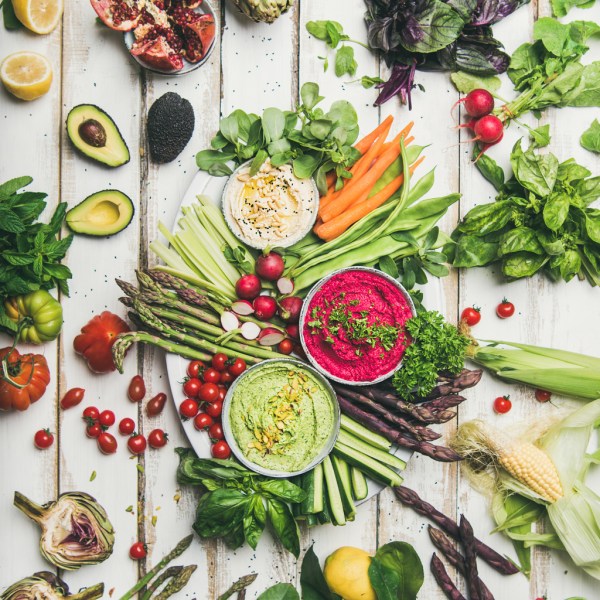
A high-acidic diet can contribute to the development and progression of chronic kidney disease (CKD), so following an alkaline diet is important in a kidney cleanse. There is a delicate balance between acidity and alkalinity within the body, and when this balance is disrupted, negative effects on health and kidney function may be seen.
The Body’s Regulation System
The body has sophisticated mechanisms to maintain pH balance
- Blood pH is tightly regulated between 7.35-7.45
- The lungs and kidneys work together as primary regulators of this balance
- Buffer systems in the blood provide immediate pH stabilisation
- These systems are incredibly effective in healthy people
It has been shown that metabolic acidosis is a common complication in CKD that is associated with secondary hyperparathyroidism and faster kidney disease progression.
Alkaline diets are beneficial for diabetes, hypertension, cardiovascular damage, weight gain, obesity, bladder conditions, kidney stones, immune deficiency, free radical damage, hormonal problems, premature aging, gout, osteoporosis, joint pain, aching muscles, lactic acid build-up, low energy and chronic fatigue, slow digestion, headaches and, of course, kidney disease!
Alkaline Diet: a Novel Nutritional Strategy in Chronic Kidney Disease? – PubMed
Following an alkaline diet to restore health means your diet should consist of 75% alkaline-forming foods and 25% acid-forming foods.
To maintain health, your diet should consist of 40% acidic-forming foods and 60% alkaline-forming foods.
The following are steps you can take to follow an alkaline diet;
Keep hydrated
Drink at least 6-6 cups of water daily. Organic herbal teas can be included as part of your fluid intake. Begin your day with lemon water upon rising. This helps cleanse the digestive system and kidneys. Lemon is very alkaline to the body, so you can enjoy this drink as often and as strongly as you like!
Eat an abundance of fruit and vegetables
An alkaline diet is all about eating alkaline-forming foods, thinking of your fruits and vegetables, eliminating all processed foods and reducing your intake of red meat. Look at charts on acid/alkaline foods to get you started…our practitioners can assist you with this! Use a pH test kit to make it easier and track your progress. pH paper will change colour when it comes to a solution, so you can quickly pinpoint alkalinity or acidity. You can then cross-reference with a chart and adjust your foods accordingly. It is also essential to note that just because a food tests up as acidic, for example, a lemon, its effect on the body is what we are concerned about.
Choose wisely
Choose white meat or seafood over red meat
- Wild rice over rolls and fries
- Coconut milk over cow’s milk
- A 30-minute walk over 30 minutes watching TV, and,
- Coconut oil over vegetable oils (canola, soy, etc).
The following is an example of a daily alkaline diet:
| Breakfast | Eggs (acid-forming) scrambled with spinach (alkaline) served with half a grapefruit (alkaline) |
| Lunch | Salad greens served with slices of roasted turkey meat (acid-forming) dressed with a chunky, homemade avocado-lemon dressing (alkaline). |
| Dinner | Salmon patty (low acid-forming) on half a gluten-free bun (acid-promoting) served with stir-fried veggies (alkaline) |
| Snack | Strawberries, apple |
Herbal Medicine
Nettle Tea
Nettle tea is derived from the leaves of Urtica dioica, a herbal medicine held in high esteem for its nutritive properties and its action on kidney health and detoxification. A herbal infusion made with nettle is rich in bioactive compounds such as polyphenols, flavonoids and vitamins, all of which contribute to its antioxidant/anti-inflammatory properties. One of the primary benefits of nettle tea is its diuretic effect, which can aid in eliminating excess fluids and toxins from the body. This diuretic action helps increase urine output and helps facilitate the excretion of waste products, taking the burden off the kidneys. In addition, nettle has a high mineral content, including calcium, magnesium, and potassium, which supports overall kidney function and health.

Its antioxidant capacity is another significant factor contributing to its beneficial impact on kidney health. Research has shown, nettle contains a variety of phenolic compounds that exhibit strong antioxidant properties, helping to combat oxidative stress. The antioxidants in nettle tea may protect renal tissue from oxidative stress, damage and inflammation.
Urtica spp.: Ordinary Plants with Extraordinary Properties
Nettle has also been shown to have anti-inflammatory properties. Chronic inflammation is one of the main contributors to KD progression; nettle tea may reduce this risk. Research indicates nettle can inhibit inflammatory pathways, potentially reducing kidney inflammation and supporting overall kidney health.
Urtica spp.: Ordinary Plants with Extraordinary Properties
Nettle has also been shown to play a role in detoxification. Combining its diuretic properties and antioxidant capacity may enhance the body’s detoxification process, aiding the removal of harmful substances and metabolic waste. Supporting the detoxification process is crucial for maintaining kidney health as it helps prevent the accumulation of toxins that can lead to renal impairment.
Stinging Nettle (Urtica dioica L.) as a Functional Component in Durum Wheat Pasta Production: Impact on Chemical Composition, In Vitro Glycemic Index, and Quality Properties
The Art of Juicing
Juicing has always been a popular method for detoxing. Fresh fruit and vegetable juices provide the body with a concentrated source of vitamins, minerals, and phytonutrients that facilitate the body’s detoxification process.
One of the primary benefits of juicing is its ability to provide a rich source of antioxidants. Juices from fresh fruits and vegetables are abundant in compounds such as vitamin C, flavonoids and carotenoids; these play an essential role in neutralising free radicals and reducing oxidative stress. Oxidative stress contributes to KD, making the antioxidants available through juicing beneficial for kidney health. It has been shown that beetroot juice possesses reno-protective properties, improving kidney function parameters in those with kidney disorders.
Functional properties of beetroot (Beta vulgaris) in management of cardio-metabolic diseases | Nutrition & Metabolism | Full Text
Juicing can also enhance the body’s detoxification processes. The high water content in juices increases urine output, aiding in eliminating toxins and waste products from the body. The diuretic effect is important for kidney health as it helps eliminate harmful substances that may lead to renal impairment. In addition, certain juices, such as wheatgrass, support liver function, which is also crucial for detoxification. The liver plays a critical role in metabolising and excreting toxins, and optimal function is essential for kidney health. The consumption of juices rich in glucosinolates, such as cabbage juice, has been associated with enhanced detoxification enzyme activity, further promoting the body’s ability to eliminate toxins. Freshly prepared juices are favoured over the store-bought variety, as fresh juices retain higher levels of nutrients compared to the commercial options. Store-purchased juices may undergo pasteurisation and other processing that can diminish their health-promoting properties.

Juicing serves as an effective strategy for supporting detoxification processes and promoting kidney health. The antioxidant, diuretic, and anti-inflammatory properties of various fruit and vegetable juices contribute to their beneficial effects on renal function and overall health. Incorporating a variety of fresh juices into the diet can enhance the body’s natural detoxification mechanisms while providing essential nutrients that support kidney health.
Nutritional value and impact of wheatgrass juice (Green Blood Therapy) on increasing fertility in male albino rats | Bulletin of the National Research Centre | Full Text
effects-of-gastrisan-on-gastritis-symptoms-a-randomized-single-blind-placebocontrolled-study.pdf
So, there you have it!
I hope this information has been helpful to you. Have you ever successfully done a kidney cleanse?
We would love to hear!

 By Libby Shaw