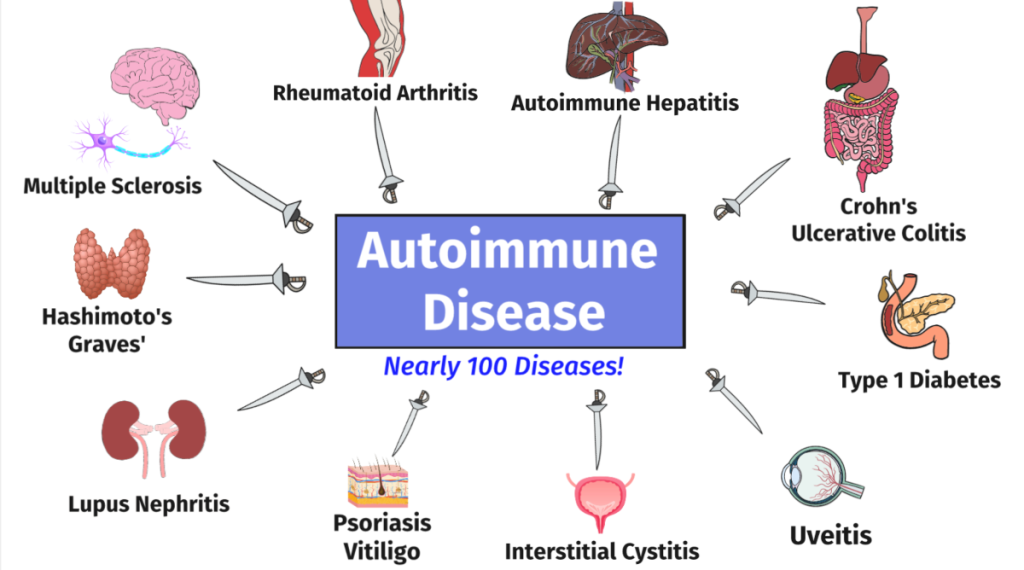
Autoimmune diseases are a group of conditions in which the immune system mistakenly attacks the body’s own tissues. When exploring the connection between autoimmune disease, gut health, and chronic kidney disease (CKD), several key autoimmune conditions are particularly relevant. These include Systemic Lupus Erythematosus, IgA Nephropathy, ANCA-Associated Vasculitis (AAV), Anti-Glomerular Basement Membrane Disease, Sjögren’s Syndrome, Rheumatoid Arthritis, Hashimoto’s Thyroiditis, and certain forms of drug-induced autoimmune disease.
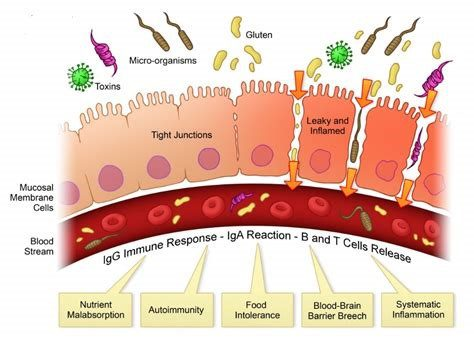
Although these conditions affect different organs and present with diverse symptoms, they share a common underlying driver: immune dysregulation and chronic inflammation. Increasingly, research highlights the gut as a central regulator of immune function in autoimmune disease. One important mechanism is increased intestinal permeability, often referred to as “leaky gut.” When the gut barrier becomes compromised, microbial fragments, toxins, and partially digested food particles can pass into the bloodstream.
This process can stimulate immune activation and systemic inflammation, which may contribute to the development, progression, or exacerbation of autoimmune disease. Over time, persistent immune activation and circulating inflammatory mediators can place significant stress on the kidneys. In some autoimmune diseases, the immune system can directly target kidney tissue, leading to inflammation and damage in key kidney structures.
Understanding the gut–immune–kidney connection is therefore an important step in addressing autoimmune disease and protecting long-term kidney health.
Under normal circumstances, the immune system protects the body from harmful invaders such as viruses, bacteria, and toxins by producing antibodies and specialised immune cells. These immune defences recognise what is foreign and work to eliminate potential threats.
In autoimmune disease, however, the immune system loses the ability to clearly distinguish between harmful invaders and the body’s own tissues. As a result, the immune system mistakenly attacks healthy cells, leading to inflammation, tissue damage, and organ dysfunction.
This process occurs when the immune system produces autoantibodies, proteins that target and attack the body’s own cells. These autoantibodies may attack tissues such as the joints, skin, thyroid, blood vessels, or kidneys, depending on the specific autoimmune condition.
Causes and Risk Factors for Autoimmune Disease
The exact cause of autoimmune disease remains unclear. However, research suggests that a combination of genetic, environmental, immune, and lifestyle factors may increase the risk of developing autoimmune conditions.
Key factors associated with autoimmune disease include:
Sex People assigned female at birth, particularly between the ages of 15 and 44, are significantly more likely to develop autoimmune diseases than those assigned male at birth.
Family History Genetics can increase susceptibility to autoimmune disease. Individuals with a family history of autoimmune conditions may have a higher risk, although environmental triggers also play an important role.
Environmental Exposures Exposure to environmental triggers such as sunlight, mercury, agricultural chemicals, solvents, cigarette smoke, and certain viral or bacterial infections may increase the likelihood of immune system dysregulation.
Ethnicity Certain autoimmune diseases are more common in specific ethnic populations, suggesting that genetic background may influence susceptibility.
Nutrition and Diet Dietary patterns and nutrient deficiencies can influence immune regulation, gut health, and inflammation, potentially affecting both the risk and severity of autoimmune disease.
Other Health Conditions Existing health conditions, including obesity or other autoimmune disorders, may increase the likelihood of developing additional autoimmune diseases.
The Gut Microbiome and Autoimmune Disease
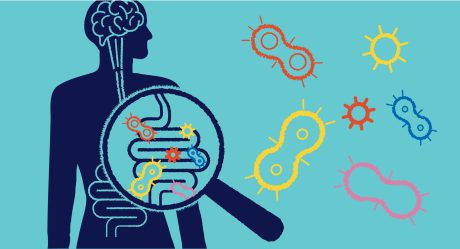
The human gut microbiome is a complex ecosystem composed of trillions of microorganisms that play a crucial role in regulating metabolism, immune function, and overall health.
In healthy individuals, a core microbiome is typically present. Important bacterial species within this healthy microbial community include:
Akkermansia muciniphila (optimal levels typically around 2–5%)
Butyrate-producing members of the Clostridiales family
These bacteria help maintain gut barrier integrity, regulate immune activity, and produce beneficial metabolites such as short-chain fatty acids.
Loss or disruption of this core microbiome, commonly referred to as gut dysbiosis, can increase the risk of immune dysfunction and may contribute to the development of autoimmune disease.
Intestinal Permeability and Autoimmune Disease
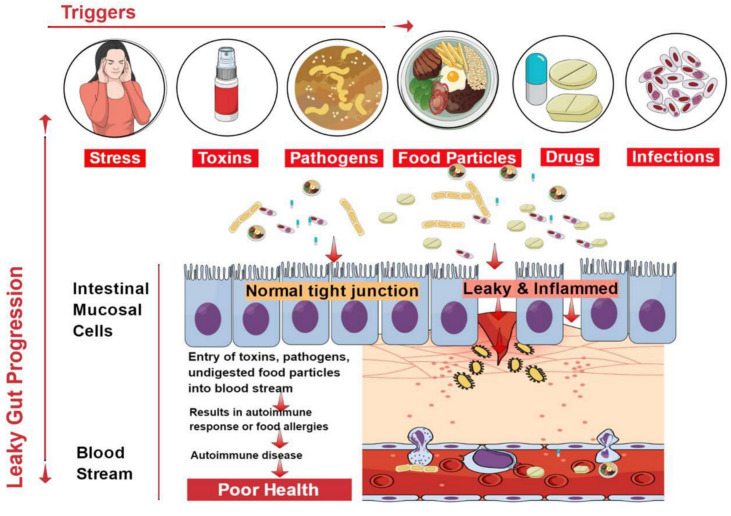
Loss of beneficial gut bacteria, combined with factors such as chronic stress, medications, dietary patterns, infections, and lifestyle factors, can contribute to increased intestinal permeability, commonly referred to as “leaky gut.”
The intestinal barrier is composed of specialised epithelial cells and protective substances they produce. Together, these structures regulate what can pass from the gut into the bloodstream, acting as a critical filter that protects the immune system from unnecessary exposure to harmful antigens.
When the integrity of this barrier is compromised, intestinal permeability increases, and the gut becomes more permeable. As a result, toxins, microbial fragments, antigens, and partially digested food particles may cross into systemic circulation.
In genetically susceptible individuals, this increased immune exposure may activate inflammatory pathways and contribute to the development or progression of autoimmune disease.
Chronic Kidney Disease and Intestinal Permeability: Connecting the Dots
Increased intestinal permeability can also have important implications for chronic kidney disease (CKD).
When the gut barrier becomes compromised, bacterial components, such as endotoxins and microbial DNA, can enter both the portal and systemic circulations. This process can trigger systemic inflammation and immune activation, which may worsen kidney injury and accelerate CKD progression.
Leaky gut, therefore, represents a potential driver of inflammation in kidney disease.
Gut dysbiosis in CKD is also associated with impaired gut barrier function and increased production of gut-derived uremic toxins, including:
Indoxyl sulfate
p-Cresyl sulfate
Trimethylamine N-oxide (TMAO)
These uremic metabolites can accumulate in the bloodstream and contribute to systemic inflammation, vascular dysfunction, and further progression of chronic kidney disease, as well as many of its associated comorbidities.
Gut dysbiosis can lead to reduced production of short-chain fatty acids (SCFAs), important metabolites produced by beneficial gut bacteria. SCFAs play a critical role in maintaining the intestinal epithelial barrier, supporting gut lining integrity, and regulating immune responses throughout the body.
When SCFA production declines, the strength and function of the gut lining may be compromised. This can weaken the intestinal barrier and increase intestinal permeability, commonly referred to as leaky gut. As the gut barrier becomes more permeable, microbial fragments, toxins, and inflammatory compounds can enter circulation.
In individuals with chronic kidney disease (CKD), these changes may further amplify systemic inflammation and worsen disruption of the gut barrier. The combination of gut dysbiosis, immune activation, and increased permeability can perpetuate an inflammatory cycle that negatively impacts kidney health.
In individuals with a genetic predisposition to autoimmune disease, ongoing immune activation triggered by gut barrier disruption may contribute to the development of autoimmune responses.
In these cases, the immune system may begin producing autoantibodies that mistakenly target the body’s own tissues. When kidney structures become targets of this immune response, inflammation can develop within the kidneys. Over time, this process may contribute to the development or progression of autoimmune kidney diseases, including lupus nephritis and IgA nephropathy.
Finding the Root Cause
To effectively address autoimmune disease, it is essential to identify and understand the underlying triggers contributing to immune dysregulation. A key question to explore is: what caused the gut barrier to become compromised in the first place?
Several factors may contribute to disruption of gut barrier integrity, including:
Heavy metal exposure
Environmental toxin exposure
Mould exposure
Antibiotic use
Parasitic infections
Loss of beneficial commensal bacteria
Chronic stress
The specific drivers will vary from person to person, highlighting the importance of an individualised approach to identifying and addressing root causes.
When the gut barrier becomes compromised, substances that would normally remain within the digestive tract, including food particles, microbial components, and toxins, may pass into the bloodstream. This exposure can stimulate immune activity and potentially contribute to chronic inflammation and autoimmune responses.
Strategies to Support the Body in Autoimmune Disease
Supporting the body during autoimmune disease often involves addressing underlying drivers of inflammation, improving gut health, and strengthening the body’s natural resilience. The following strategies may help support the immune system and restore balance within the gut–immune axis.
Sauna Therapy
When addressing heavy metal exposure or environmental toxin burden, supportive strategies may be used to assist the body’s natural detoxification pathways.
Sauna therapy is commonly used to promote sweating and support elimination processes. Sweating may help remove certain environmental toxins while also supporting circulation and metabolic activity.
However, sauna therapy is not appropriate for everyone. Individuals experiencing low vitality, significant fatigue, chronic illness, or compromised health may not tolerate heat exposure well. In these cases, gentler approaches that support detoxification and overall resilience may be more appropriate.
Sauna use should ideally be undertaken with appropriate professional supervision to ensure safety and avoid placing unnecessary stress on the body.
Food Intolerance Testing
Testing for food intolerances can sometimes help identify foods that may trigger immune responses. However, these tests should be interpreted carefully, particularly when significant inflammation or increased intestinal permeability is present.
When the immune system is highly reactive, test results may show sensitivities to many foods. In these cases, the results often reflect temporary immune activation rather than true long-term food intolerances.
For this reason, a more effective first step is often to:
Reduce systemic inflammation
Support immune system balance
Improve intestinal barrier integrity
Address underlying gut health
This approach may include improving overall dietary quality and temporarily removing common immune-triggering foods.
Once inflammation has settled and gut barrier function has improved, food intolerance testing may provide more meaningful information if symptoms persist.
Common Trigger Foods to Temporarily Eliminate
A short-term elimination of common trigger foods may help reduce immune activation while the gut barrier is being supported.
Many practitioners recommend removing the following foods for approximately one month:
Gluten
Dairy
Eggs
After a period of gut healing, these foods can be carefully reintroduced while monitoring symptoms.
Supplements to Support Intestinal Barrier Repair
Certain nutrients and compounds may help support gut barrier integrity and intestinal healing. However, in highly reactive individuals or during acute immune activation, some supplements may not be well tolerated. Clinical judgment should always guide their use.
For many individuals, the following nutrients may support intestinal permeability repair and immune balance.
Vitamin A
Vitamin A plays an important role in maintaining intestinal barrier integrity and regulating immune responses within the gut.
Key actions include:
Supporting differentiation of intestinal epithelial cells
Maintaining tight junction integrity within the gut lining
Regulating paracellular permeability
Supporting mucosal immune tolerance
Helping modulate immune-mediated damage and regeneration of the intestinal surface
Zinc Combined with L-Carnosine
Zinc is an essential trace mineral involved in immune function, epithelial repair, and gut barrier maintenance. When combined with L-carnosine, its effects on intestinal healing may be enhanced.
Potential benefits include:
Promoting production and stabilisation of tight junction proteins such as ZO-1 and occludin
Supporting signalling pathways that strengthen gut barrier integrity
Modulating immune activity and inflammatory responses
Supporting repair and maintenance of the intestinal lining
Aloe vera contains compounds with anti-inflammatory properties that may indirectly support gut barrier health.
Research suggests Aloe vera may:
Reduce mucosal inflammation, a key driver of barrier disruption
Lower levels of pro-inflammatory mediators
Support preservation of intestinal barrier integrity when its constituents reach mucosal tissues
Immune Modulation by Gut Bacteria
As discussed earlier, healthy individuals typically maintain a core group of beneficial gut bacteria that help regulate immune function.
The gut microbiome plays a central role in immune modulation, influencing inflammatory signalling and immune tolerance.
Cytokine Production
Gut bacteria can influence the production of cytokines, small signalling proteins that coordinate immune responses.
These microbial interactions may either:
Increase immune activity when the body needs to fight infection
Downregulate inflammation to restore immune balance
T-Regulatory Cells
Certain probiotic strains, particularly Lactobacillus and Bifidobacterium, may help support the activity of T regulatory cells (Tregs).
Tregs are essential for maintaining immune tolerance, helping prevent the immune system from attacking the body’s own tissues. By supporting Treg function, probiotics may help calm excessive immune responses seen in autoimmune disease.
Short-Chain Fatty Acids
Some beneficial gut bacteria ferment dietary fibre to produce short-chain fatty acids (SCFAs), including butyrate.
SCFAs play an important role in:
Reducing intestinal inflammation
Strengthening the gut lining
Supporting intestinal epithelial health
Regulating immune responses
Through these mechanisms, the gut microbiome becomes a powerful regulator of the immune system and autoimmune disease risk.
Certain herbs may provide valuable support for individuals managing autoimmune disease, particularly by helping regulate immune activity, reduce inflammation, and support the body’s resilience to stress. Herbal medicine has long been used to support immune balance, adrenal function, and systemic inflammation, all of which play important roles in autoimmune conditions.
Hemidesmus (Hemidesmus indicus)
Hemidesmus is frequently used in herbal medicine protocols for autoimmune conditions due to its ability to help modulate immune activity. Traditionally, it has been used to calm excessive immune responses and support detoxification pathways. By helping regulate immune signalling, Hemidesmus may help reduce inflammatory processes that contribute to autoimmune disease progression.
Turmeric (Curcuma longa)
Turmeric, and its active compound curcumin, are well known for their powerful anti-inflammatory and antioxidant properties. Curcumin has been widely studied for its ability to influence inflammatory pathways, helping reduce the inflammatory signals that can contribute to tissue damage in autoimmune disease. By lowering systemic inflammation, turmeric may help protect tissues and support overall immune balance.
Rehmannia (Rehmannia glutinosa)
Rehmannia is an anti-inflammatory herb that is particularly well-positioned to support individuals with autoimmune conditions. It has traditionally been used in herbal medicine to regulate immune responses and support adrenal resilience. Rehmannia is generally considered safe for long-term use and may help support the body during periods of chronic physiological stress.
Rehmannia is often grouped with adaptogenic herbs, a class of botanicals that help the body adapt to physical, emotional, and environmental stressors while supporting overall physiological balance.
Saffron (Crocus sativa)
Saffron is a potent antioxidant and anti-inflammatory herb that has recently attracted scientific interest for its potential role in supporting immune regulation in autoimmune conditions. Emerging research suggests saffron may influence inflammatory pathways and immune signalling.
In addition to immune support, saffron is commonly used in herbal medicine to support mood, cognitive function, cardiovascular health, and overall well-being.
As discussed throughout this article, there is a strong relationship between gut health, immune regulation, and chronic disease. One key mechanism involved in this connection is increased intestinal permeability, often referred to as leaky gut.
When the intestinal barrier becomes compromised, substances that would normally remain within the digestive tract, including toxins, microbial fragments, and undigested food particles, can more easily enter the bloodstream. This increased exposure may trigger immune activation and systemic inflammation, which can contribute to the development and progression of autoimmune conditions and kidney disease.
In some cases, ongoing immune activation may lead to immune-mediated tissue damage, including structures within the kidneys.
Supporting Gut Barrier Integrity
Addressing the underlying drivers of intestinal permeability is an important step in supporting both immune regulation and long-term health outcomes.
Strategies that may help strengthen the gut barrier include:
Ensuring adequate intake of key nutrients that support intestinal barrier function
Following an anti-inflammatory diet
Supporting detoxification pathways
Addressing environmental and lifestyle stressors that affect gut health
These approaches work together to support the body’s natural healing and repair processes.
The Role of the Microbiome
The gut microbiome plays a central role in maintaining intestinal barrier integrity and regulating immune responses. A healthy microbiome helps strengthen the gut lining, produce beneficial metabolites such as short-chain fatty acids, and maintain balanced immune signalling.
Supporting microbial health through appropriate probiotic strains and a diet rich in prebiotic fibres may help restore microbial balance, reduce inflammation, and improve gut barrier function.
A Comprehensive Approach to Autoimmune Support
Addressing intestinal permeability and immune dysregulation rarely involves a single intervention. Instead, it requires a comprehensive and individualised approach that supports multiple aspects of health, including:
Gut barrier integrity
Immune system balance
Nutrition and dietary quality
Stress and nervous system regulation
By focusing on nutrition, targeted supplementation when appropriate, microbiome support, and lifestyle strategies that restore gut integrity, it may be possible to help reduce inflammation, support immune balance, and improve long-term health outcomes for individuals living with autoimmune disease.
Chronic kidney disease (CKD) has traditionally been viewed as a disorder of blood pressure, blood sugar and kidney filtration. However, emerging research into the gut–kidney axis suggests that CKD may also be deeply connected to the health of the gut microbiome. Could chronic kidney disease partly be a microbiome-driven condition? According to the Centres for…
Introduction If you’ve been diagnosed with chronic kidney disease (CKD), you’ve likely heard about creatinine, eGFR, and potassium levels. But there’s a crucial enzyme that most doctors and even medical textbooks still aren’t discussing: renalase. Discovered only in 2005, this remarkable protein plays a central role in kidney health, blood pressure regulation, and the body’s…
Oxytocin is often called the ‘love hormone’ because of its well-known role in childbirth, breastfeeding, and emotional bonding. But emerging research reveals this remarkable hormone does far more than foster maternal connection. Scientists are now discovering that oxytocin plays a crucial role in kidney function and may offer significant protective benefits for people with chronic…

 By Libby Shaw