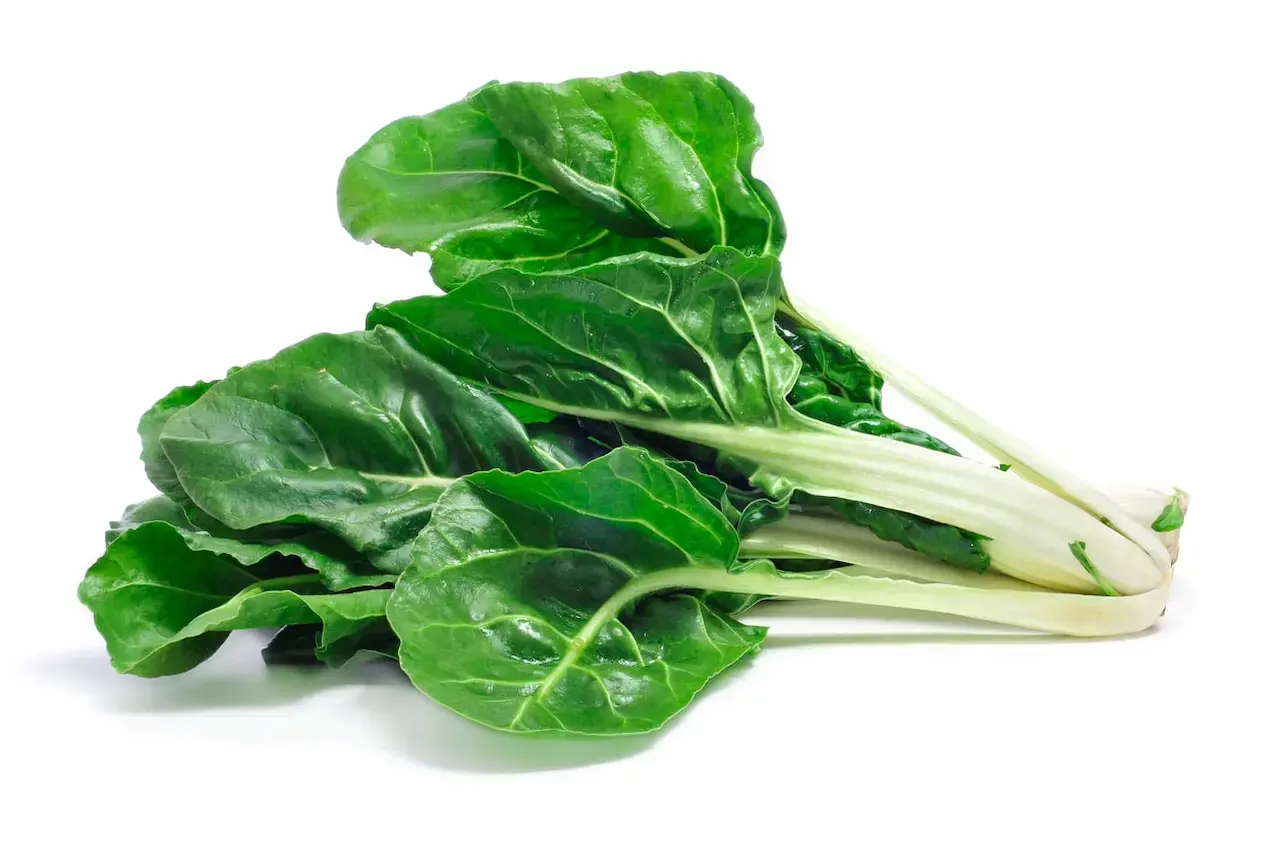
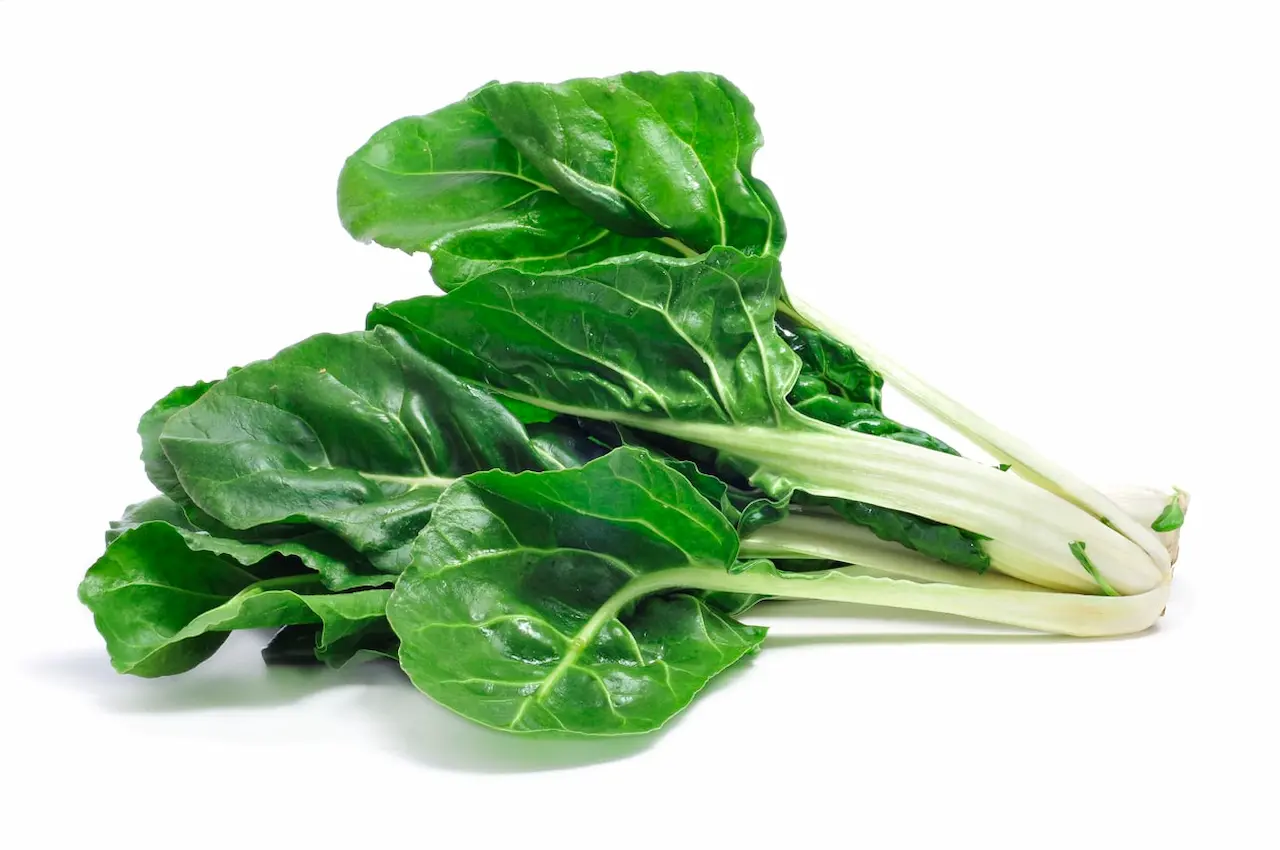
Oxalic acid is an organic compound found in many plants, including leafy green vegetables, cocoa, fruit, sweet potato, currants and spinach just to name a few. Generally, the oxalate content in plants is at its highest in the leaves followed by the seeds then at its lowest in the stems. The concentration of oxalic acid tends to be higher in plants than in meat, which could be considered oxalate-free when planning a low-oxalate diet.
Just as animals have a way of protecting themselves from predators, so do plants. Plants contain their own chemicals that will protect them from pests and environmental factors. Oxalic acid and calcium oxalate both provide plants with a self-defence mechanism from insects, pests and grazing animals. Oxalates in plants are also involved in cleaning up soil rendered toxic by heavy metals such as lead, cadmium and zinc.
…so clever!
However, an excessive accumulation of oxalic acid can also be detrimental to plants. The level of oxalic acid in plants is required to be tightly controlled within plant tissues. According to research, the oxalate content of a plant increases as it ages and becomes overripe.
Oxalates & Their Role in Kidney Disease
https://apjcn.nhri.org.tw/server/APJCN/8/1/64.pdf
Oxalates are commonly known as ‘anti-nutrients’. Antinutrients are substances of natural or synthetic origin that will interfere with the absorption of specific nutrients. They will reduce the intake of nutrients and may produce other unwanted symptoms in the body. Oxalates will bind calcium and other minerals. Vegetarians consuming a large number of vegetables will most likely have a higher concentration of oxalates in their diet, the reduction in absorption of calcium may hurt women as we require greater amounts of calcium in our diets. Those following a vegan diet, or individuals who are lactose intolerant, may be consuming a high-oxalate, low-calcium diet unless they appropriately supplement their diet.
Increases kidney stone formation- Approximately 1 in 10 people experience kidney stones. Some people are at a greater risk than others; however, when oxalate levels are high, there is a greater chance, these oxalates will bind to calcium, eventually causing kidney stones.
Lower absorption of minerals- Oxalates bind to minerals such as calcium and iron. Zinc absorption has also been reported to be slightly affected. Excess amounts of oxalates can prevent the body from absorbing these beneficial nutrients.
Other issues may also contribute to the problem. Your body absorbs a certain amount of oxalates from foods. This will be due to the quality of soluble oxalates a food contains and the bioavailability. How you prepare and cook your food can also affect oxalate content.
Those who have had gastric bypass surgery or other surgeries that impact digestive system function may have high oxalate levels in urine, leading to the build-up of oxalates.
Factors that reduce the absorption of fat, such as gall bladder removal or medications that reduce stomach acid, will reduce the number of enzymes that help break down fat. If the extra fat is not broken down, it will bind up calcium, so it isn’t free to do its job in binding oxalates.
*Poor digestion is a big reason people have an issue with oxalates.
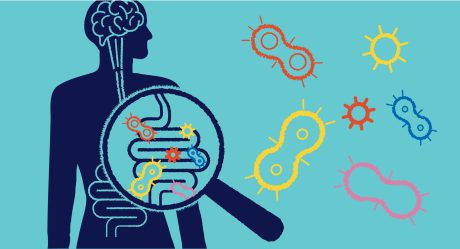
A bacterium known as Oxalobacter formigenes (OF) (I will explain a little more about this bacterium later), utilises oxalates as a source of energy, which helps reduce oxalate buildup. Antibiotic use will disrupt gut microflora, once again leading to the buildup of oxalates. People with altered gut function and those with inflammatory bowel disease have an increased risk of developing kidney disease.
Oxalates may contribute to the formation of kidney stones. It is normal for a small number of oxalates and calcium to be present in the urinary tract; they can remain dissolved and will not cause an issue. However, sometimes they will bind to form crystals in susceptible individuals. There are other types of kidney stones; however, 80% are made up of calcium oxalate. In these cases, it is important to see your health professional, as a managed oxalate diet will be advised.
It has been suggested that there is a correlation between a high oxalate diet and vulvodynia, or it may even lead to autism. However, a lot more research needs to be done in this area. A 1997 study suggested urinary oxalates may, in fact, be non-specific irritants that will aggravate vulvodynia. The study concluded that dietary oxalate may worsen symptoms, but not cause the condition.
A bacteria called Oxalobacter formigenes (OF) breaks down dietary oxalates and uses them as a source of energy. Having this bacteria as part of your gut microbiome will help reduce the oxalates in the body. The colonization of this bacteria is estimated to begin during childhood years and may be found in approximately 60-80% of adults. According to research, animal studies have shown there is a substantial reduction of urinary oxalate following the administration or intake of OF. A cross-sectional study showed that patients suffering recurrent oxalate stones had lower colonization of OF.
In industrialised countries, kidney stones are becoming more common in men between the ages of 30 and 50. Kidney stones are mainly made up of calcium oxalate (80%) and calcium phosphate (5%), they are relatively insoluble in urine. When oxalates crystalize with calcium they infiltrate vessel walls and cause renal tubular obstruction, haemorrhage and vascular necrosis, causing poor urine production, uraemia and disturbances in electrolytes.
Risk factors of stone formation include:
Low volume urine
Increased urinary excretion of oxalate, calcium or uric acid
Persistently low or high urinary pH
Low concentration of urinary inhibitors: magnesium, citrate and high molecular weight polyanions
Even small increases in oxalate excretion have a marked effect on the production of calcium oxalate in urine. Therefore, foods high in oxalate can promote a high oxalate excretion with an increased formation of stones. Rhubarb, spinach, beets, nuts, tea, coffee, parsley, chocolate, celery and wheat bran have been identified as the main culprits in the formation of stones formation.
p64-74/noonan AJC38/sep98 orig (nhri.org.tw)
How to avoid high levels of oxalates
After reading all of the above information, you may be wondering if there is anything you can do to help lower oxalate levels. Well, keep reading…
Drink adequate amounts of water throughout the day to help your body get rid of excess oxalates
Talk to your healthcare professional about consuming the recommended amount of calcium in your daily diet, as calcium binds to oxalates during the process of digestion.
Limit your sodium and sugar intake; too high levels may contribute to kidney stones.
Cook high-oxalate vegetables to help lower oxalate content. Boiling works very well in this situation.
Consume the recommended amount of vitamin C daily, as too much vitamin C can increase the production of oxalic acid in the body.
Add lemon or lime juice to water and salad dressings.
Autoimmune diseases are a group of conditions in which the immune system mistakenly attacks the body’s own tissues. When exploring the connection between autoimmune disease, gut health, and chronic kidney disease (CKD), several key autoimmune conditions are particularly relevant. These include Systemic Lupus Erythematosus, IgA Nephropathy, ANCA-Associated Vasculitis (AAV), Anti-Glomerular Basement Membrane Disease, Sjögren’s Syndrome,…
Chronic kidney disease (CKD) has traditionally been viewed as a disorder of blood pressure, blood sugar and kidney filtration. However, emerging research into the gut–kidney axis suggests that CKD may also be deeply connected to the health of the gut microbiome. Could chronic kidney disease partly be a microbiome-driven condition? According to the Centres for…
Introduction If you’ve been diagnosed with chronic kidney disease (CKD), you’ve likely heard about creatinine, eGFR, and potassium levels. But there’s a crucial enzyme that most doctors and even medical textbooks still aren’t discussing: renalase. Discovered only in 2005, this remarkable protein plays a central role in kidney health, blood pressure regulation, and the body’s…

 By Libby Shaw