Today, I want to share a yummy vegetarian recipe packed with high-quality plant protein, Tempeh. Currently, the digestibility corrected amino acid score (DIAAS) is a widely acknowledged approach for determining protein quality and proteins with DIAAS equal to or higher than 75 are defined as high-quality according to the Food and Agricultural Organization of the United Nations (FAO) DIAAS report. Tempeh is one of these foods.
Most people with chronic kidney disease are told to limit or reduce their protein intake, as a high dietary protein intake leads to the dilation of the afferent arteriole, also known as intraglomerular hypertension, which can result in kidney hyperfiltration and glomerular injury, which, over time, can decrease kidney function. What people are often not told is that protein is still important and a lack of protein can make some issues associated with kidney and renal disease worse. Furthermore, the intake of high-quality plant-based proteins may have a protective and even therapeutic role in those diagnosed with kidney and renal disease.
Kidney Friendly Mexican Recipe
Since the 1990s, supplementing the diet with high-quality dietary protein rather than reducing protein intake has been highly recommended for patients with kidney diseases. The National Kidney Foundation’s Kidney Disease Outcomes Quality Initiative (KDOQI) 2020 has provided evidence-based protein intake suggestions for CKD patients, in which healthy protein consumption should be as follows:
Non diabetic CKD stages 3 – 5 – 0.55 to 0.6 g/kg body weight
So for your average 85Kg male with stages 3 -5 kidney disease, that equates to around 51 gms of protein per day, which is the rough equivalent of 7 eggs or 260gms of tempeh a day. (A standard serving of tempeh is roughly 85gms) .
The KDOQI 2020 guidelines also demonstrated that a high-quality plant-based diet might have positive biological and clinical benefits via diverse mechanisms on kidney health and renal function. A high-quality plant-based diet may also ameliorate complications and comorbidities of CKD, such as cardiovascular disease, infection and acute kidney injury, with a recent community-based cohort study showing that a higher intake of a healthy plant-based diet was related to favourable CKD outcomes, which lowered the risk of CKD and slowed eGFR decline in CKD patients.
https://pubmed.ncbi.nlm.nih.gov/30691237/
So this brings me to tempeh, which, as I previously mentioned, is a high-quality vegetarian plant protein and one that we often include in our recipes that accompany The Kidney Disease Solution Program.
So What Makes Tempeh So Amazing?
Fresh Tempeh with Slices
Tempeh Is A Complete Protein
Tempeh and other soy products are the only plant-based foods that can adequately provide all the essential amino acids, also known as a complete protein food, that can meet the nutritional needs of humans. Protein is an important macronutrient required for the health of the immune system, to maintain healthy muscle tissue, it is the building block of many hormones and enzymes in the body, as well as been needed for cardiovascular health and to repair and maintain tissues within the body.
Tempeh Is High In Fibre
One serving of tempeh includes your entire recommended consumption of dietary fibre for the day. Fibre is important in maintaining bowel health, function, and the health of the microbiome. Fibre helps support a healthy immune system, reduces the risk of cardiovascular disease, reduces the glycaemic load of a meal, and may help regulate appetite and weight gain.
Tempeh Supports a Healthy Microbiome
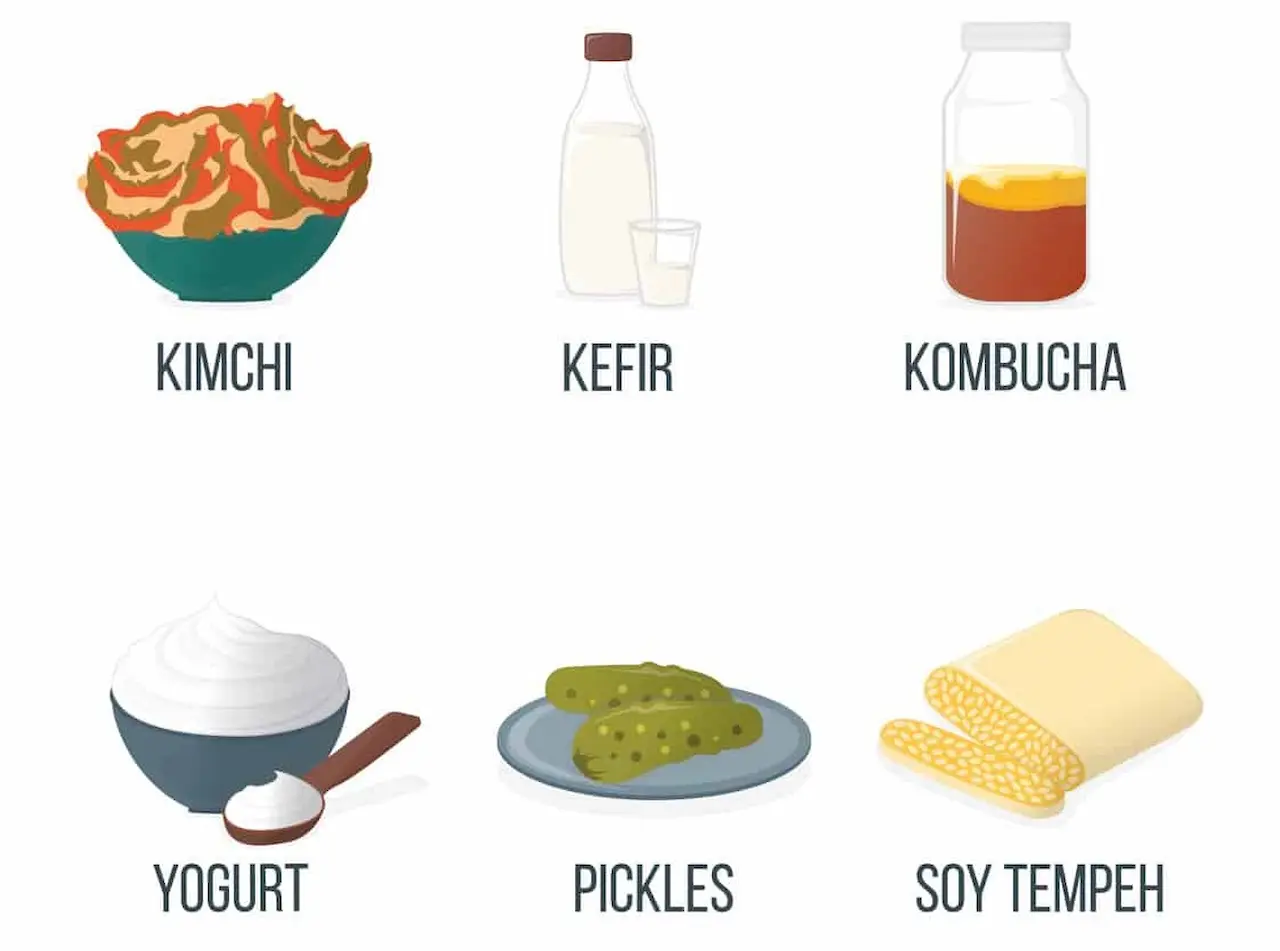
To make tempeh, soybeans need to be fermented. The fermentation process turns these soybeans into tempeh and makes it a probiotic food. Probiotics contain lots of the good bacteria that act in the gut to regulate the immune system, reduce inflammation, improve digestion and gut health and even help regulate mood and promote healthy neurochemical production.
According to a study, tempeh plays a major role in enhancing intestinal health in rats. It has powerful pH-lowering benefits, which restrict the proliferation of pathogens and lactic acid bacteria.
Tempeh is rich in something called isoflavones. Isoflavones are considered phytoestrogens, which means that they are similar in structure to the hormones found in the female body, such as estrogen. Isoflavones are also considered antioxidant compounds, which we often talk about here at the Kidney Coach. Antioxidants have the ability to reduce damage caused by free radicals and may help fight against certain types of cancers.
Phytoestrogens are often useful during menopause, as during menopause, a woman’s production of oestrogen naturally drops. Supplementing with phytoestrogens can help to reduce the symptoms of menopause by tricking the body into thinking it has more oestrogen than it actually does via the addition of phytoestrogens in the body from a food source such as tempeh.
Studies suggest that phytoestrogens enhance estrogen levels in the body. Phytoestrogens contain a powerful compound called genistein. This compound mimics the effects of estrogen in the body, which in turn helps to reduce the serious symptoms of menopause, such as hormonal imbalance, weight gain, and mood swings.
Tempeh has a good amount of niacin in it, also known as B3. Studies have shown that niacin is helpful in the treatment and management of diabetes due to its ability to help balance high blood sugar levels. Niacin also improves the efficiency of drugs that are often used to treat diabetes.
Healthy blood sugar levels can also be supported via tempeh’s content of fibre, protein and other blood sugar-balancing nutrients.
A meta-analysis of 9 different studies showed that the consumption of soy proteins, such as those found in tempeh, had a positive effect on total serum creatinine levels, triglycerides, and phosphorous concentrations.
The consumption of soy protein significantly reduced creatinine levels and serum phosphorous levels, as well as participants’ triglyceride levels. In patients with kidney disease, serum phosphorus levels are often elevated, which can lead to an assortment of problems. A reduction in serum creatinine means an improvement in eGFR values, which means better functioning kidneys.
The exact mechanism that which soy products are potentially protective to the kidneys is unknown; however, soy products such as tempeh are rich in bio-active compounds called phytochemicals. Phytochemicals, such as isoflavones, are thought to have important health benefits, especially in relation to providing protection against chronic diseases such as cancer and heart disease. In fact, more than 25 years ago, the U.S. National Cancer Institute began intensely investigating isoflavones for their role in preventing cancer. Since then, isoflavones have been studied for a wide range of health benefits, including kidney function. Soybeans are essentially the only commonly consumed food that contains meaningful amounts of isoflavones.
One theory is that the substitution of soy protein into the diet over animal protein results in less hyperfiltration and glomerular hypertension, which means the kidneys are protected from the effects of diabetic nephropathy. The studies go on to conclude that substituting soy protein for animal protein usually decreases hyperfiltration in diabetic subjects and may reduce urine albumin excretion.
When you read all of that, you realise where the old saying “Food is Medicine” comes from.
So now onto the good bit, a delicious way to incorporate tempeh into your diet… I bestow on you…
Mexican Vegetable Tempeh
This dish, as follows below, is 75% alkalising, which makes it another excellent recipe for those with chronic kidney disease.
Tempeh Dish With Tomatoes, Onion, Garlic and Chilli
Firstly, you will need the following ingredients:
1 packet of tempeh
2 fresh tomatoes, diced
2 cups mushrooms, finely sliced
4 cups spinach leaves
2 cups kidney beans
2 cloves of fresh garlic
1 brown onion
1 fresh lime
2 tablespoons of gluten-free tamari
1 fresh red chilli
1⁄4 cup fresh coriander
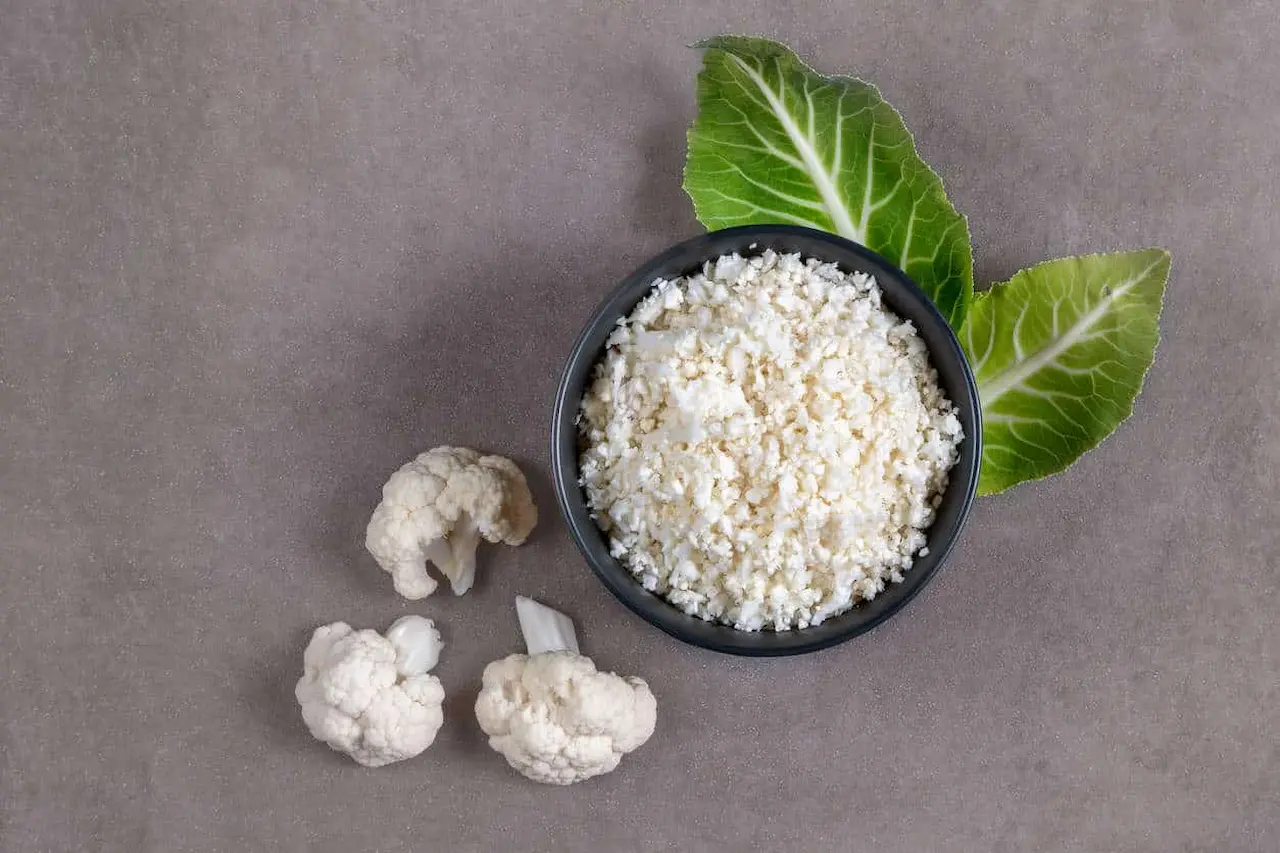
2 cups cauliflower rice
Directions:
1. Begin to cook the cauliflower rice and kidney beans before preparing the rest of the food so that they are ready on time. It is preferable to use dried kidney beans, soaked overnight, rather than the canned variety. Soaking your lentils breaks down anti-nutrients and makes them easier to digest.
2. Chop up the onions into medium squares and finely chop the garlic. Heat olive oil in a large pan over medium heat and cook the onions and garlic for about 3 minutes.
3. Chop the tempeh into small squares and add it to the pan, cooking until it begins to brown.
4. Squeeze fresh lime juice onto the tempeh and continue to cook for another 2 minutes. Add in the mushrooms, tomato, spinach leaves, and tamari and continue to stir for another 2 minutes.
5. Serve on a bed of cauliflower rice. Garnish with fresh coriander and add fresh chilli to taste.
Cauliflower Rice in a Bowl: Kidney-Friendly Alkalizing Recipe
Serves: 4
Note on Potassium and Tempeh
1 serving of tempeh contains roughly 350.3mg of potassium.
If you have kidney disease, potassium levels generally need to be kept under 3000mg per day. But this should be confirmed by a blood test first, and potassium ONLY cut out if necessary – hear more about that here.
So, viola, there you have it, our delicious Mexican Vegetable Tempeh, packed full of kidney supportive nutrients and is also alkalising.
Let us know what you think by heading over to our Facebook page and leaving us a comment.
Autoimmune diseases are a group of conditions in which the immune system mistakenly attacks the body’s own tissues. When exploring the connection between autoimmune disease, gut health, and chronic kidney disease (CKD), several key autoimmune conditions are particularly relevant. These include Systemic Lupus Erythematosus, IgA Nephropathy, ANCA-Associated Vasculitis (AAV), Anti-Glomerular Basement Membrane Disease, Sjögren’s Syndrome,…
What is Glutamine? Glutamine is a very popular and widely used amino acid, it is the most abundant amino acid in the body, playing crucial roles in numerous biological processes. Glutamine comprises about 60% of the free amino acid pool within skeletal muscle and 20% of the total circulating amino acids. It is classified as…
Tips for Optimal Kidney Function Kidney disease occurs when these vital organs lose their ability to filter excess waste and fluid from the blood effectively. You can think of your kidneys as sophisticated filtration systems; however, this intricate system begins to falter when KD develops. KD can progress slowly and silently over many years, which…

 By Fiona Chin N.D.