Vasopressin is a hormone that plays a central role in how your body manages fluid balance, but its effects go far beyond simply keeping you hydrated. Growing research reveals that vasopressin is closely linked to kidney function, the progression of chronic kidney disease (CKD), and broader metabolic health.
While many people have heard of vasopressin in the context of hydration, fewer know about its deeper connections to conditions like diabetes, cardiovascular disease, and long-term kidney health. Because this hormone helps regulate water balance, blood pressure, and renal filtration, any disruption in vasopressin levels can have meaningful consequences for renal function over time.
Did you know? Vasopressin also influences emotions and behaviour – including fear, anxiety, protectiveness, and pair-bonding.
What Is Vasopressin?
You may have come across the terms vasopressin and antidiuretic hormone (ADH) and wondered whether they refer to the same thing. Don’t these two names describe the same hormone, which performs some critically important work inside your body every day?
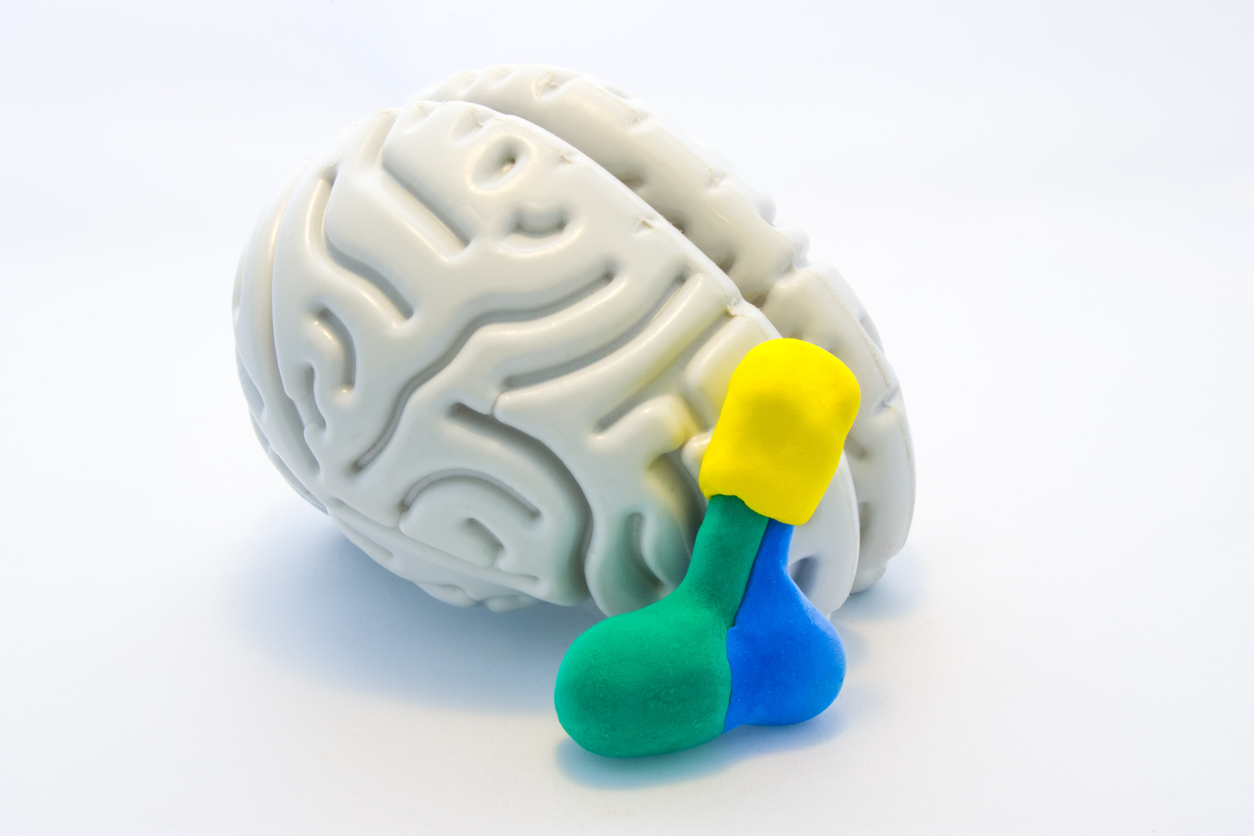
Vasopressin is produced in the hypothalamus, a small region of the brain responsible for maintaining many of the body’s core functions and homeostasis. Once produced, it travels to the pituitary gland, where it is stored and released into the bloodstream as needed.
Vasopressin’s Two Primary Jobs
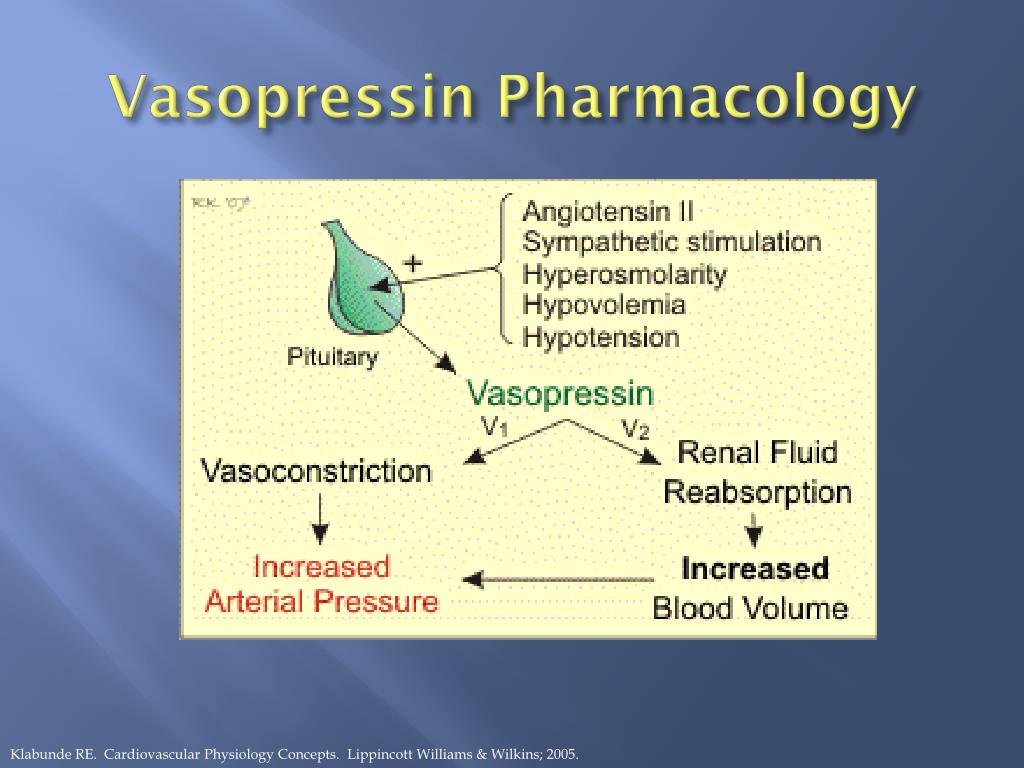
1. Water regulation: Vasopressin signals your kidneys to determine how much water to retain and how much to release as urine. Think of it as a dial controlling your body’s water levels when vasopressin tells the kidneys to retain more water, less urine is produced, and vice versa.
2. Blood pressure support: By causing blood vessels to constrict, vasopressin plays a direct role in keeping circulation stable, particularly when blood pressure drops suddenly.
Image viavasopressin-pharmacology-l.jpg (1024×768)
What Triggers the Release of Vasopressin?
Several factors signal the body to release vasopressin:
• Increased plasma osmolarity: a higher concentration of dissolved particles in the blood triggers vasopressin to conserve water and dilute solutes.
• Decreased blood volume or blood pressure: a drop in either prompts vasopressin release to maintain fluid balance and raise pressure.
• Pain and stress: stressful situations, pain, and certain medications can all stimulate vasopressin secretion.
• Nausea
• Hypoxia (low oxygen levels)
Vasopressin’s fundamental mission is to protect your body from dehydration. When fluid levels run low, it steps in and instructs your kidneys to hold onto water rather than release it as urine, restoring hydration and fluid balance.
However, when vasopressin levels become chronically elevated, the kidneys are placed under sustained stress. They are repeatedly pushed to concentrate urine, work harder to filter blood, and manage fluctuating pressure in the vessels that supply them.
Vasopressin, Diabetes, and Cardiovascular Disease
When it comes to chronic kidney disease, two conditions stand above the rest as leading causes: cardiovascular disease and diabetes. Both place ongoing strain on the kidneys, and both share a meaningful connection to how vasopressin functions in the body.
Vasopressin and Diabetes Insipidus
Diabetes insipidus is a clear example of what happens when vasopressin goes wrong. It occurs when the body either fails to produce enough vasopressin or when the kidneys stop responding to it. Without this signal to conserve water, the body loses its ability to regulate fluid effectively.
People with diabetes insipidus produce abnormally large volumes of urine and experience intense, persistent thirst as the body attempts to replace lost fluid. Because sodium closely follows water throughout the body, this constant fluid loss also disrupts sodium levels causing an electrolyte imbalance that can affect nerve function and blood pressure regulation.
Symptoms of Diabetes Insipidus
• Excessive urination (adults may produce up to 19 litres of urine per day in severe cases, compared to the typical 1–3 litres)
• Intense, persistent thirst
• Nocturia (frequent urination at night)
• Signs of dehydration: thirst, dizziness, dry mouth
Vasopressin and Congestive Heart Failure
Vasopressin also plays a role in the progression of congestive heart failure (CHF). It contributes to vasoconstriction and fluid retention, which exacerbates cardiac dysfunction. Reduced cardiac output triggers further vasopressin release, creating a cycle of increasing vascular resistance and fluid retention that burdens both the heart and the kidneys.
Symptoms of Congestive Heart Failure
• Shortness of breath
• Fatigue and weakness
• Oedema (fluid retention and swelling)
• Rapid or irregular heartbeat
• Persistent cough or wheezing
• Sudden weight gain
• Difficulty concentrating
Image via Congestive Heart Failure: Symptoms, Stages & Treatment
Vasopressin and CKD Progression
Persistently elevated vasopressin is common in CKD and diabetic kidney disease, particularly in states of glomerular hyperfiltration. Excessive activation of the vasopressin type 2 (V2) receptor drives glomerular hyperfiltration and nephron loss, making V2 receptor activity an important factor in CKD progression.
Vasopressin acts via three receptor subtypes:
• V1a receptors (V1aR)
• V1b receptors (V1bR)
• V2 receptors (V2R)
The tissue distribution of these receptor subtypes determines how vasopressin exerts its effects in different organs.
The Renin-Angiotensin System and Vasopressin
To understand vasopressin’s role in CKD, it helps to revisit the renin-angiotensin system (RAS), as this is where the cycle often begins.
The RAS is one of the body’s primary control systems for blood pressure and fluid balance, and it directly influences vasopressin production. When blood pressure drops or the kidneys detect reduced blood flow, they release an enzyme called renin into the bloodstream.
Renin triggers a chain reaction: it converts angiotensinogen (produced by the liver) into angiotensin I, which is then rapidly converted in the lungs to the active form, angiotensin II. This potent hormone causes blood vessels to constrict, signals the adrenal glands to release aldosterone (which instructs the kidneys to retain sodium and water), and stimulates the brain to increase vasopressin production and release.
The RAS and vasopressin work together to restore blood pressure and protect fluid balance – but in CKD, this system can become chronically overactivated, accelerating the very kidney decline it was designed to prevent.
In people with CKD, the RAS is frequently stuck in an overactivated state, constantly driving up both angiotensin II and vasopressin levels. The resulting combination of vessel constriction, fluid retention, and hormonal overstimulation creates a damaging feedback loop.
This is why medications that block the renin-angiotensin pathway, such as ACE inhibitors and angiotensin receptor blockers (ARBs), are among the most commonly prescribed treatments for both hypertension and CKD. By interrupting this cascade, they reduce the burden on the kidneys and help regulate the downstream effects of vasopressin.
When the RAS is chronically activated, and vasopressin follows suit, the combined effect is linked with glomerular hyperfiltration, systemic vasoconstriction, increased albuminuria, and accelerated CKD progression.
How Is Vasopressin Measured?
One of the challenges in monitoring vasopressin is that hormone levels fluctuate constantly rising and falling in response to hydration, stress, blood pressure changes, and other variables throughout the day. This natural variability, combined with the technical difficulty of accurately measuring vasopressin in the blood, makes direct monitoring unreliable.
The Role of Copeptin
This is where copeptin comes in. Copeptin is a small protein released from the pituitary gland simultaneously with vasopressin, and in equal amounts. Unlike vasopressin, copeptin is stable in the bloodstream, making it far easier to detect and measure reliably. It serves as a surrogate marker, providing a clinically useful window into what vasopressin levels are doing.
That said, vasopressin levels are rarely assessed in isolation; they need to be interpreted alongside the broader clinical picture to be meaningful.
Lifestyle Strategies to Support Healthy Vasopressin Levels
Stay Well Hydrated
Chronic dehydration drives vasopressin secretion upward. Unless your healthcare provider has advised otherwise, adequate fluid intake is one of the simplest and most important steps you can take to support kidney health and keep vasopressin levels in a healthy range. It’s also worth noting that dehydration can affect the accuracy of your blood test results.
Reduce Dietary Sodium
A high-sodium diet increases plasma osmolarity, which in turn triggers greater vasopressin release. Moderating sodium intake is particularly important for people with CKD or elevated blood pressure.
Limit High-Protein and High-Sugar Diets
High-protein diets can trigger vasopressin release, as the kidneys must work harder to process the byproducts of protein metabolism, prompting adjustments in fluid regulation. Similarly, diets high in sugar and fructose in particular have been shown to stimulate vasopressin secretion. High-fructose corn syrup, found in many processed foods and sweetened beverages, is worth minimising given its impact on vasopressin, fluid balance, and long-term renal health.
Manage Chronic Stress
Chronic stress elevates cortisol and increases sympathetic nervous system tone, both of which stimulate vasopressin release. In today’s world, many people live with persistent, low-grade stress that never fully switches off. When this happens, vasopressin levels remain chronically elevated, keeping the kidneys in a prolonged state of heightened activity, with blood vessels remaining constricted, filtration under sustained pressure, and the hormonal environment the kidneys depend on continually disrupted.
Over time, this contributes to inflammation, rising blood pressure, and accelerated kidney wear. Prioritising sleep, managing stress effectively, and building recovery into your routine are meaningful pillars of long-term kidney health.
The Social Side of Vasopressin: The “Bonding Hormone”
Vasopressin is often discussed alongside oxytocin, widely known as the “love hormone” due to its associations with emotional attachment, nurturing, and intimacy. Vasopressin occupies a different but equally fascinating role, sometimes called the “bonding hormone.”
Rather than fostering closeness and emotional warmth as oxytocin does, vasopressin is linked to mate-guarding, the instinct to protect and maintain a romantic bond, and the reinforcement of social hierarchies. It promotes pair-bond stability and commitment, and is considered a key hormone in male romantic behaviour, helping to transform initial attraction into loyalty, protectiveness, and long-term commitment.
Key Takeaways
Vasopressin is a hormone with a remarkably wide reach, from regulating fluid balance and blood pressure, to driving CKD progression, to shaping bonding behaviour and emotional responses.
Chronic dehydration, high-sodium or high-sugar diets, excessive protein intake, persistent stress, and conditions like diabetes and cardiovascular disease can all dysregulate vasopressin in ways that place the kidneys under sustained, damaging pressure over time.
The good news is that many of these triggers are within your control. Staying well hydrated, making informed dietary choices, managing stress, and working closely with your healthcare team to monitor kidney function are all meaningful steps toward supporting healthier vasopressin levels and healthier kidneys for the long term.

 By Libby Shaw