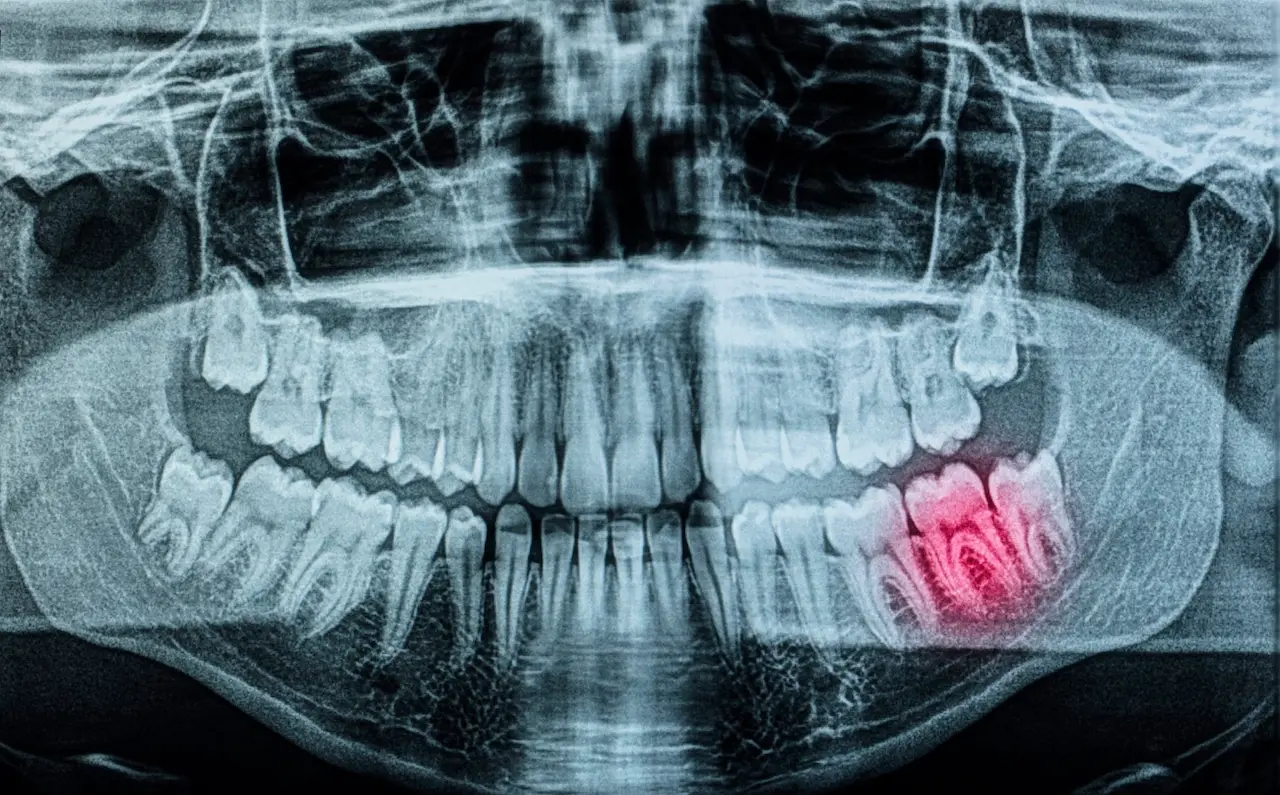
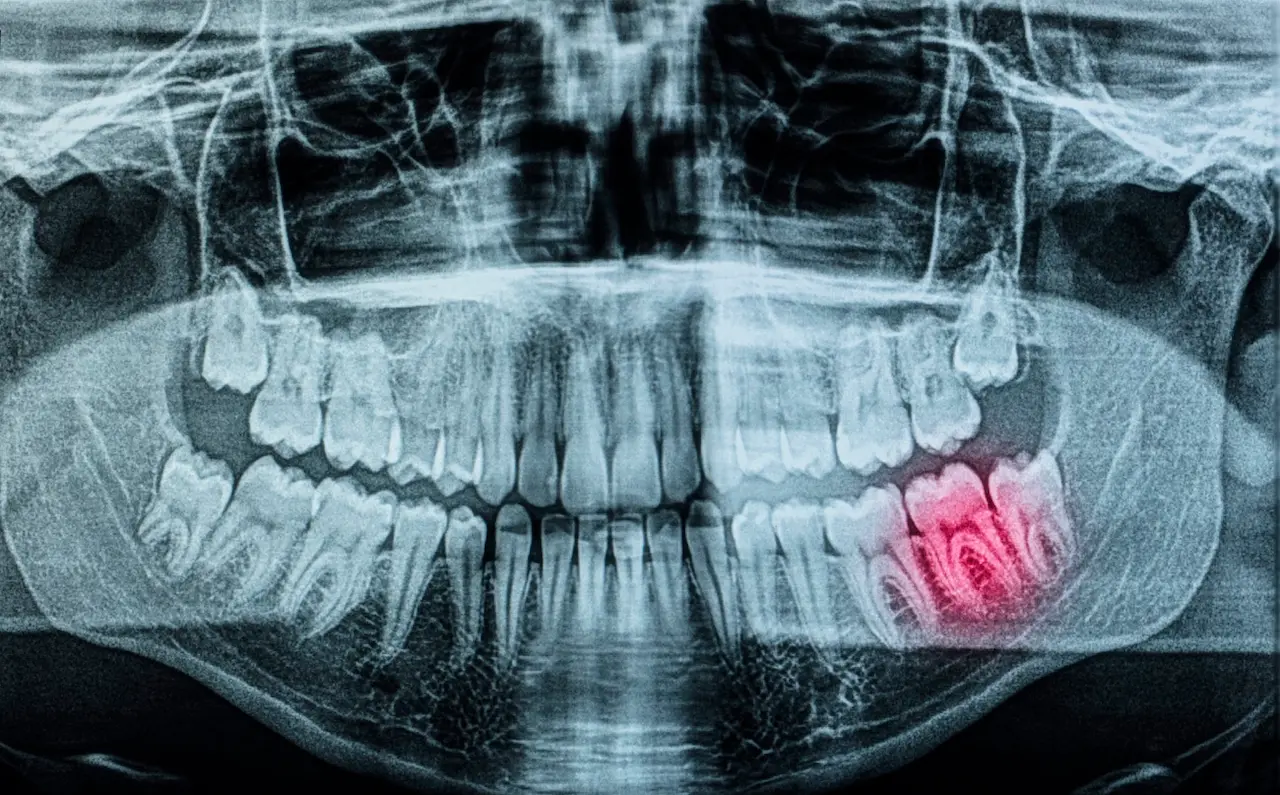
It may or may not come as a surprise to you, but yes, there is a link between gum, heart and kidney disease. This is largely about inflammation and oxidative stress caused by gum disease. Research within this area of health has shown that patients with chronic kidney disease who also suffer from periodontitis are at a higher risk of death than chronic kidney disease (CKD) patients with healthy gums.
Oral health is not only about our teeth!
Let’s go through some of the theories.
What is Periodontal Disease?
Periodontal (gum) disease is an infection in the tissues that support and hold your teeth in place. It is usually caused by poor brushing and flossing which allows plaque to build up on the teeth and harden. As plaque hardens it becomes tartar which is more problematic. As the disease progresses it will lead to sore, bleeding gums, painful chewing and eventually if unchecked, tooth loss.
Periodontal disease is a non-communicable disease, it affects 11.2% of the world’s population and is the sixth most prevalent disease when it’s at its most severe. A non-communicable disease is classified as a non-infectious health condition that can not be spread from one person to another, and it’s chronic in nature. It is evident these noncommunicable diseases such as kidney disease are becoming increasingly prevalent due to our aging population, increased sedentary lifestyles and poor dietary habits. Evidence suggests that 92% of older adults have at least one chronic disease.
The mouth is full of bacteria, mucus and other particles that form the ‘sticky’, transparent film that appears on your teeth. This film contains harmful oral bacteria that feast on sugar, starches, left-over food and beverages. If this plaque is not removed it will irritate the gums, causing gingivitis. Untreated gingivitis will lead to periodontitis, the severe form of gum disease. We know good dental hygiene is important in the removal of tartar, and seeing your dentist on a regular basis will help ensure that once the plaque turns into the hardened form, it is removed.
Risk Factors
Risks for gum disease include:
Smoking
Diabetes
Genetic susceptibility
Medications that reduce the flow of saliva
Certain illnesses and their medications.
Bridges that don’t fit properly
Stress
Female hormonal changes. E.g., Use of oral contraception and pregnancy
Warning Signs, Signs and symptoms of gum disease may include:
Bad breath that doesn’t go away
Tender bleeding gums
Painful chewing
Loss of teeth
Sensitive teeth
Receding gums
Red and swollen gums
Changes in the way your teeth fit together when you bite
Changes in the fit of partial dentures
Effects of Periodontitis on Kidney Function
Rather than seeing the mouth as a separate organ, it can be seen as the doorway to the body; it is the access point where unwanted bacteria can enter the bloodstream via the gums. It is common for individuals to be unaware that they even have gum disease and/or may ignore some of the early signs and symptoms. If damage to the gums remains unchecked, it becomes a higher risk for the rest of the body. A recent study in The Journal of Clinical Periodontology adds further evidence to support the link between periodontal disease and other chronic health issues. The study involved 770 patients with stage 3-5 (pre-dialysis) chronic kidney disease from an ongoing cohort study. Using structural equation modelling (SEM), the cross-sectional study aimed to explore the relationship between periodontal inflammation (PI) and renal function. The authors analysed whether PI affected renal function and vice versa. The authors found that a 10 % increase in PI resulted in a 3.0% decrease in renal function, and a 10% decrease in renal function resulted in a 25% increase in PI. The authors concluded PI was a source of oxidative stress in those with CKD, and the link between kidney disease and periodontitis was evident.
I have discussed the link between periodontitis and kidney disease; now, let’s have a look at the connection between heart disease and periodontal disease. Heart disease refers to a broad set of health conditions, which includes heart attack and stroke. Research shows that people with poor oral health experience a higher rate of cardiovascular problems than those with good oral health. Periodontal disease can also exacerbate existing heart issues.
Maintain healthy blood sugar levels (especially if you have diabetes)
See your dentist every six months for a check-up
Be mindful of the symptoms of gum disease, such as bleeding gums and bad breath and let your dentist know if you are experiencing these symptoms.
The connection between periodontitis and cardiovascular disease has been made clear, as many studies have now established the link. Poor oral health and gum disease increase the risk of developing cardiovascular issues. There are theories that assert a direct relationship between the two conditions; they are as follows:
Oral bacteria can enter the bloodstream and may latch onto fatty deposits in the arteries, which potentially cause blood clots, which can then lead to a heart attack and stroke.
Oral bacteria can cause inflammation, which will also affect the health of your arteries
Vitamin D is either consumed via our diet, taken as a supplement or produced by the body via a complex process that begins when the invisible rays of ultraviolet B (UVB), part of the light spectrum, get absorbed by the skin. Research has found that a deficiency in vitamin D can lead to the progression of periodontal disease. A 2018 study showed that a sufficient intake of Vitamin D can decrease the risk of gingivitis and chronic periodontitis as it possesses immunological, anti-inflammatory and antiproliferative effects. It is also important for bone metabolism, alveolar bone resorption and in preventing the loss of teeth. Vitamin D increases the antibacterial defence of gingival epithelial cells, decreases inflammation and can increase post-operative wound healing after periodontal surgery.
Up to 75% of Americans are deficient in vitamin D. A deficiency may double the risk for a heart attack and stroke, increase the risk of developing high blood pressure and may double the risk of diabetes.
A blood test via your GP will help determine your vitamin D levels.
Oily fish such as herring, mackerel, tuna and salmon
Egg yolk
Antioxidants Kidney, Heart & Periodontal Health
Antioxidants are molecules that fight free radicals in the body. If free radicals become too high, they can cause harm, and the imbalance between oxidants and antioxidants has been linked to many illnesses. Like any other area of our body, the oral cavity experiences inflammation and injury due to tissue trauma and disease. During the process of inflammation, reactive oxygen species (ROS) are produced by immune cells when stimulated by pathogens. These ROS and reactive free radicals can inflict cellular and tissue damage.
The periodontium can enter a state of oxidative stress due to inflammation caused by disease or trauma; this is where antioxidants may play an important part. Antioxidants can reduce the severity of disease by scavenging these ROS. A 2013 study found a significant relationship between oxidant status and periodontal health. The study found that oxidative stress plays a significant role in periodontitis and the tissue damage that is associated.
The key message of the study was that smoking, infection, UV light and high temperatures increase the production of free radicals, so, if possible, these should be avoided. Consumption of foods that contain antioxidants such as vitamin C, E, Beta-carotene, selenium and manganese should be encouraged to help fight oxidant damage to periodontal tissue.
As chronic kidney disease (CKD) is a risk factor for premature cardiovascular disease, this increase in oxidative stress in those with CKD has been found as a potential causative factor in some cardiovascular diseases. This is where antioxidants may be seen as a possible adjunct therapy, as it may benefit those dealing with periodontitis, cardiovascular and kidney disease.
Lycopene is another powerful antioxidant; it is the red pigment found in foods such as tomatoes, watermelon and carrots. Studies have suggested that lycopene supplementation may improve periodontal health and may also have a therapeutic role in the treatment of periodontitis.
Recent research has found significant evidence of the link between periodontal disease and vitamin C, and that vitamin C may be preventive against periodontitis. The 2019 study found subjects had lower vitamin C intake and lower blood vitamin C levels than people without periodontal disease. The patients with a lower dietary intake and a lower blood vitamin C level showed a faster progression of periodontitis compared to the controls.
There is so much information and research on this topic, and as studies in this area of health are ongoing, the hope is that professionals can work with and plan out prevention strategies together for patients with these health concerns.
I hope you found some of the information useful. If so, feel free to share this article with friends and family using the links below or head over to our Facebook page and leave us a comment.
Please remember to always consult with your doctor or specialist before adding any supplements to make sure they are safe for you to take
Vasopressin is a hormone that plays a central role in how your body manages fluid balance, but its effects go far beyond simply keeping you hydrated. Growing research reveals that vasopressin is closely linked to kidney function, the progression of chronic kidney disease (CKD), and broader metabolic health. While many people have heard of vasopressin…
Polycystic kidney disease (PKD) is widely understood as a progressive genetic disorder characterised by the relentless formation and expansion of fluid-filled cysts within the kidneys. Over time, these cysts multiply and enlarge, gradually displacing healthy renal tissue and driving progressive loss of kidney function. PKD can also affect the liver and pancreas, and is associated…
Autoimmune diseases are a group of conditions in which the immune system mistakenly attacks the body’s own tissues. When exploring the connection between autoimmune disease, gut health, and chronic kidney disease (CKD), several key autoimmune conditions are particularly relevant. These include Systemic Lupus Erythematosus, IgA Nephropathy, ANCA-Associated Vasculitis (AAV), Anti-Glomerular Basement Membrane Disease, Sjögren’s Syndrome,…

 By Libby Shaw